Review · ASWAN
4 Days Nile Cruise From Aswan To Luxor With Abu Simbel Temples & Balloon
Abu Simbel, an overnight Nile cruise, and a hot-air balloon over Luxor make this a big four-day slice of Upper Egypt. I like the way it joins the main sights into one trip, especially Philae, Edfu, and Kom Ombo, which are easy to miss when you arrange each transfer alone. I also like the practical extras: hotel or airport pickup, full-board meals, a horse carriage ride, and a guide such as Salma who can explain what you are seeing.
The main caution is that the details need checking before you pay. The tour is described as a three-night cruise in one place and a four-night cruise in another, while entrance fees are excluded even though the listed inclusions say all mentioned sites are included. Confirm the ship, exact sailing plan, cabin nights, and ticket costs in writing.
Key points to know before booking
- Abu Simbel is the long day trip: Allow about seven hours for this outing from the Aswan area, not a quick temple stop.
- The cruise links the classic river sites: Philae, Kom Ombo, Edfu, Luxor Temple, Karnak, and the west bank are arranged into one route.
- The balloon ride is included: The hot-air balloon ticket is covered, although the precise pickup time and flight schedule should be confirmed.
- Meals and Wi-Fi are part of the package: The plan lists four lunches, three breakfasts, three dinners, and 4GB of Wi-Fi per person.
- Entrance fees are unclear: Budget extra money unless the operator confirms exactly which tickets are covered.
- You travel privately: The activity is described as private, so only your group participates, while the cruise itself may operate on a shared ship.
Why this Aswan to Luxor route works
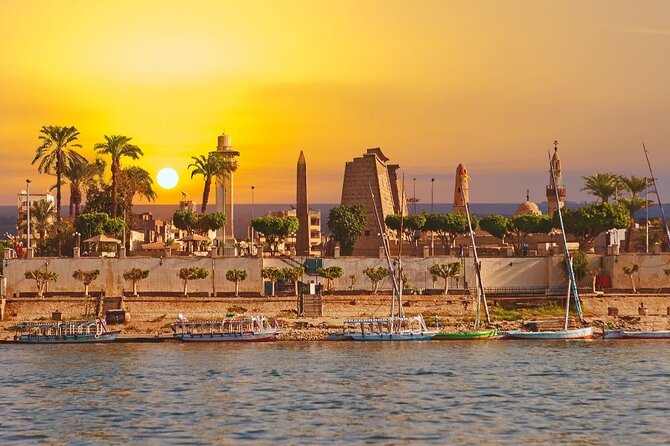
The great strength of this trip is its order. You begin in Aswan, where the Nile feels broad and calm, then move north by boat toward Luxor. Along the way, ancient temples appear beside the river, and the journey itself becomes part of the sightseeing.
I like this route for first-time visitors who want the main monuments without arranging several separate hotels, cars, guides, and train connections. Your transfers are handled by an air-conditioned minibus, and the package includes a motor boat for the island visit, a horse carriage in Luxor, and a hot-air balloon flight.
The $370 price is attractive for what it aims to include: a cruise cabin, meals, transfers, a guide, several excursions, Wi-Fi, and the balloon flight. Still, the value depends heavily on the ship and on what the operator means by all sites included. Since entrance fees are specifically listed as extra, the headline price is not your final sightseeing cost.
A previous booking experience also points to the most important question: ask for the exact ship before departure. Nile cruise boats are commonly sold under five-star labels, but age and condition can vary. The name of the boat, its deck plan, cabin photos, sailing dates, and the number of nights on board matter more than the label.
More Nile Cruise and Balloon Packages in Aswan
- 4-Days Nile Cruise From Aswan To Luxor including Abu Simbel and Hot Air Balloon
★ 5.0 · 3,142 reviews - 4-Day 3-Night Nile Cruise from Aswan to Luxor&Abu Simbel+Balloon
★ 5.0 · 2,023 reviews - 4-Day 3-Night Nile Cruise from Aswan to Luxor including Abu Simbel, Air Balloon
★ 4.5 · 612 reviews
Day 1: Philae Island and the Aswan High Dam
Your first pickup can be arranged from an Aswan hotel, Aswan Airport, or Aswan Train Station. That flexibility is useful if you have arrived by rail or flight, though you should provide your arrival details clearly so the timing can be set.
The first major stop is the Temple of Philae. Because the temple sits on an island in the Nile, you reach it by motor boat. That short approach is part of the pleasure. Instead of arriving beside a parking area, you see the sanctuary from the water and watch its stone buildings come into view.
Philae was devoted mainly to Isis, and the site also contains buildings linked with other Egyptian gods. Its setting gives it a calmer feel than the huge temple complexes later in Luxor. Plan on about two hours here, with time to study the gateways, courtyards, columns, and reliefs.
The temple was moved when the Aswan High Dam threatened the original island site. That fact gives the visit a modern engineering angle as well as an ancient one. Your Egyptologist guide can help connect the temple’s religious purpose with the twentieth-century work that saved it.
The Aswan High Dam is scheduled as another two-hour stop. Built during the rule of Gamal Abdel Nasser with Soviet assistance, it controls Nile water and generates electricity. It also changed the geography of southern Egypt and led to the relocation of important monuments, including Philae and the Abu Simbel temples.
This is not a decorative monument in the same way as Philae. I see it as a useful contrast: one stop shows ancient religious building, and the next shows modern state engineering on a huge scale. If you prefer only ancient sites, the dam may feel less exciting, but it helps explain why so many temples were moved.
The first day includes lunch, and the meal plan says food begins with lunch and ends with breakfast on the final day. Ask for the precise boarding time and cabin allocation, since the schedule uses both three-night and four-night cruise descriptions.
Day 2: Abu Simbel and Kom Ombo
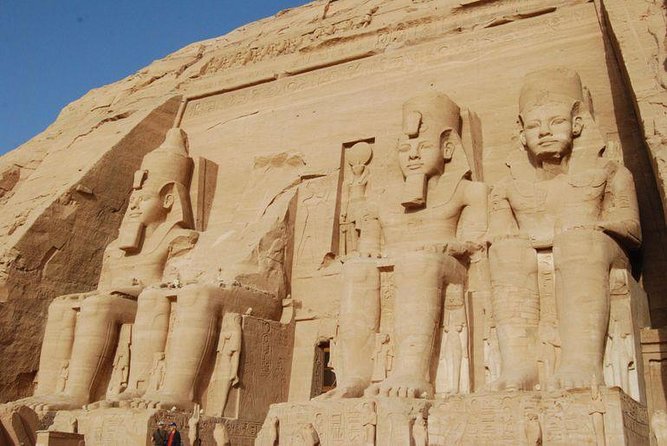
Abu Simbel is the day’s major prize, but it requires stamina. The temple complex is about 290 kilometers southwest of Aswan, and the listed visit lasts roughly seven hours. You will spend much of the day on the road, so this is not the right tour if you want a slow morning or short transfers.
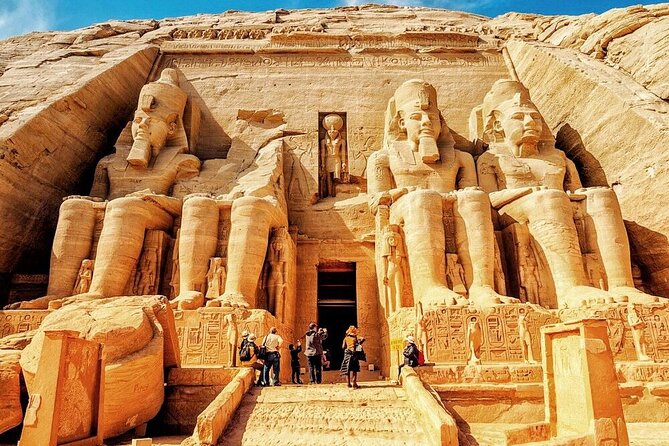
The reward is one of Egypt’s most striking monuments. Ramses II ordered the twin temples cut into the rock in the thirteenth century BC. The larger temple honors Ramses II, while the smaller one was built for Queen Nefertari and is linked with the goddess Hathor.
The four seated statues at the great temple are designed to make an immediate impression, but do not rush the details inside. The walls record royal power, religious scenes, and the victory associated with the Battle of Kadesh. Your guide’s explanations will help you see more than the famous facade.
Abu Simbel was moved in the twentieth century to protect it from the rising waters of Lake Nasser after the High Dam was built. The present setting is artificial, with the temples reconstructed above a dome-shaped structure. That relocation story is one of the most useful pieces of context on this tour.
The practical drawback is simple: seven hours is a long excursion after, or before, time on a cruise ship. Bring water, sun protection, and comfortable shoes. The information provided does not state the departure time, transport arrangement for the Abu Simbel run, or the amount of free time at the site, so ask before booking.
Later, the boat route reaches Kom Ombo. The temple is unusual because it was built for two main gods, Sobek, the crocodile god, and Horus. Its design is split into paired sections, giving you a clear example of how local religious traditions shaped a large temple.
Kom Ombo was begun under Ptolemy VI and finished with decoration added in the Roman period, including work from the time of Emperor Tiberius. That mix of periods makes it a good stop for understanding that ancient Egypt was not one single era.
Allow about two hours. The site can be particularly atmospheric when the river and surrounding fields are close by, but the tour details do not promise a specific time of day. Entrance fees are not clearly settled in the information supplied, so keep that question on your checklist.
Day 3: Edfu, Luxor Temple, and a horse carriage
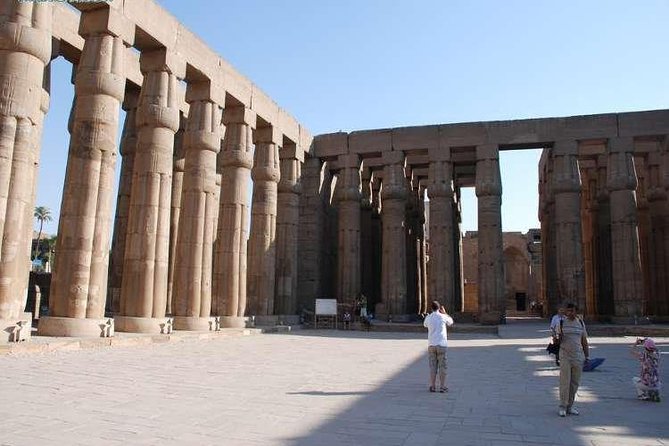
The Temple of Horus at Edfu is one of the best-preserved temples in Egypt. Built under the Ptolemaic kings between 237 and 57 BC, it has tall walls, a strong entrance pylon, and extensive inscriptions.
The temple was dedicated to Horus, who was associated with Apollo in the Greek interpretation of Egyptian religion. Its inscriptions preserve details about construction, worship, and religious stories. I find Edfu especially valuable when your guide takes time to explain the wall scenes rather than treating the visit as a quick photo stop.
The listed visit lasts about two hours. Since the cruise schedule can be governed by docking times, ask how much time you will have inside the temple and how the transfer from the boat is handled.
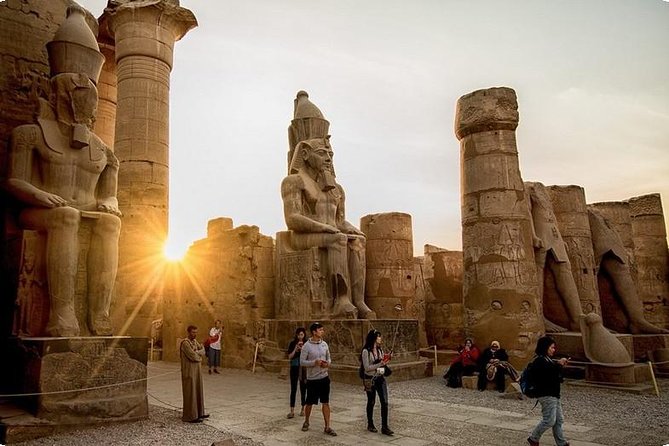
Later, you visit Luxor Temple on the east bank. This sanctuary was dedicated to the Theban group of Amun-Ra, Mut, and Khonsu, and much of its visible form comes from the New Kingdom rulers Amenhotep III and Ramses II.
Luxor Temple is a good place to see how Egyptian monuments were expanded over generations. Ramses II added the pylon, open court, and obelisks, while other rulers added shrines and structures. The temple’s position within modern Luxor also makes the contrast between ancient stone and present-day city life especially clear.
A two-hour guided visit gives you enough time to understand the main court and processional areas, but it is not an open-ended exploration. Your guide can help separate the work of different pharaohs, something that is difficult to sort out from signs alone.
The day also includes a one-hour horse carriage ride in Luxor. This is a lighter break after the temple visits and offers a different way to see the city. It is listed as included and has no admission fee, though the precise route is not stated.
More Abu Simbel and Balloon Tours in Aswan:
- 4-Days Nile Cruise From Aswan To Luxor including Abu Simbel and Hot Air Balloon
★ 4.5 · 509 reviews - 4 Days Nile Cruise from Aswan to Luxor including Abu Simbel and Hot Air Balloon
★ 4.5 · 356 reviews - 4-Day 3-Night Nile Cruise from Aswan to Luxor With Balloon and Abu Simbel
★ 5.0 · 327 reviews - 4-Days Nile Cruise Aswan&Luxor,Hot Air Balloon&Abu Simbel.Hot deal
★ 5.0 · 322 reviews
Day 4: Royal tombs, Hatshepsut, and the balloon flight
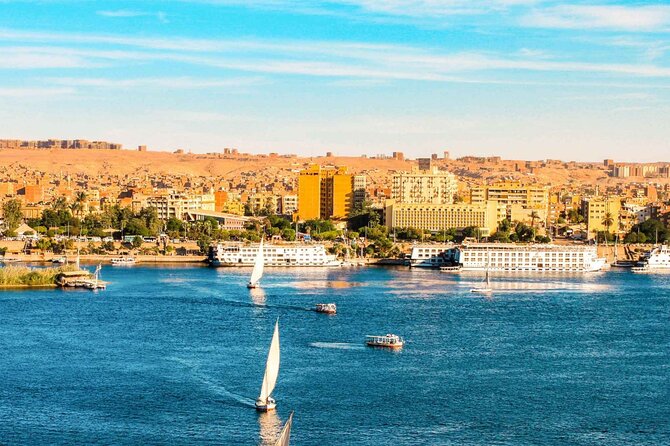
The final sightseeing day crosses to Luxor’s west bank, beginning with the Valley of the Kings. This valley served as a royal burial area for about 500 years, from the sixteenth to the eleventh century BC. Tombs were cut into the surrounding hills for pharaohs and nobles of the New Kingdom.
You will have about an hour and a half here. The experience depends on which tombs are open and which tickets are covered, and that information is not specified. Ask how many tomb entries are included, since a general Valley of the Kings visit and individual tomb access are not always the same thing.
The tombs are not grand from the outside. Their value is inside, where painted scenes and hieroglyphs show the beliefs surrounding death and the afterlife. I recommend listening closely to the guide before entering, because the rooms can look similar until you understand what the images mean.
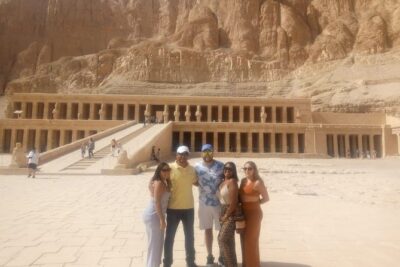
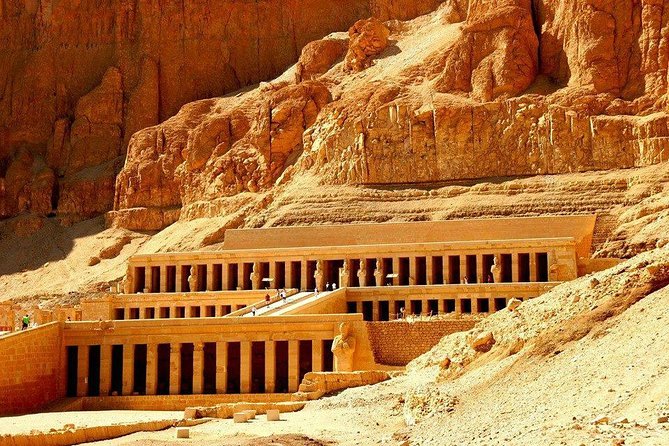
Next comes the Temple of Hatshepsut at Deir el-Bahari. Its three broad terraces climb against the rock face, creating a different shape from the enclosed temple compounds at Edfu and Karnak. Hatshepsut ruled during the Eighteenth Dynasty, and the temple was built as her mortuary temple.
The scheduled visit lasts about an hour and a half. The site is exposed, so sun protection and water are sensible. The architectural design is the main attraction here, while the guide’s explanation can help you understand Hatshepsut’s role as a female pharaoh and the purpose of a mortuary temple.
The Colossi of Memnon are a short stop of about 30 minutes. These two large seated statues once formed part of a temple for Amenhotep III. Only the statues remain from that complex, and the stop is free according to the supplied details.
Do not expect a long visit. This is a useful pause for photos and orientation before the larger east bank complex at Karnak.
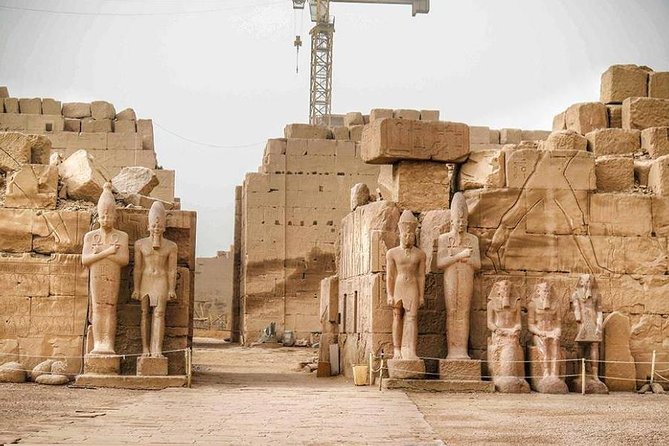
Karnak receives about an hour and a half. It is not one temple but a vast group of sanctuaries, pylons, courtyards, and columns built and expanded from the Middle Kingdom through the Roman period. The main religious focus was the Theban group of Amun, Mut, and Khonsu.
This is the site where a guide matters most. Karnak can feel like a lot of stone until someone points out the processional routes, the changes made by different rulers, and the role of the immense columned halls. The scheduled time is useful, but you may want to ask if the order can be adjusted to avoid rushing the final areas.
The hot-air balloon ride is listed as included and lasts about an hour. It is the trip’s most unusual viewpoint, giving you a high view over Luxor’s west bank and the Nile area. The information does not state the pickup time, launch point, weather rules, or what happens if the flight cannot operate, so confirm those details before departure.
Because balloon flights usually require an early start, ask how the ride fits with the Valley of the Kings and Karnak schedule. The written order may not be the actual order used on the day.
Guides, meals, Wi-Fi, and the cruise itself
An Egyptologist guide is included, and Salma is one named guide connected with this experience. The guide’s role is especially important at Philae, Edfu, Karnak, and the Valley of the Kings, where a little context changes the visit from a sequence of old stones into a readable story.
The cruise package lists a five-star Nile boat, a cabin with facilities, full-board meals, and free Wi-Fi up to 4GB per person. The meal count is four lunches, three breakfasts, and three dinners. That is helpful for budgeting, though drinks and any extras are not included unless specifically stated.
The private tour means your sightseeing group is your own party. That does not necessarily mean the cruise ship is private, so distinguish between private land excursions and the boat itself when asking questions.
Wi-Fi can be useful for basic messages and maps, but 4GB is a modest allowance if you plan to stream video or upload many photos. Use the cruise time to enjoy the river rather than assuming the connection will handle heavy use.
Who should book this tour?
I would consider this a strong fit for a first visit to Upper Egypt, especially if you want the main sights arranged in a single package. It suits people who value a guide, prefer not to negotiate several local transfers, and like having meals and transport handled in advance.
It also works well for anyone who wants Abu Simbel without building a separate Aswan trip around it. The tradeoff is pace. Abu Simbel takes most of a day, the cruise schedule can be tight, and the final day combines several major Luxor sights with a balloon flight.
You should be comfortable with early starts, long drives, heat, walking over uneven ancient sites, and a schedule that may change with boat docking times. The supplied information says most people can participate, but it does not provide detailed mobility guidance.
The cancellation terms are simple: cancel at least 24 hours before the start time for a full refund. Changes or cancellations inside that 24-hour window are not accepted for a refund.
Should you book the Aswan to Luxor cruise?
Book it if you want a value-focused introduction to Upper Egypt and are willing to confirm the fine print. The combination of Abu Simbel, a Nile cruise, Luxor’s east and west banks, and a balloon flight is hard to match at $370 before entrance fees and extras.
Before paying, get four answers: the exact cruise ship, the actual number of nights, which entrance tickets are included, and the balloon flight procedure if weather changes the plan. If those details are clear, this is a practical and ambitious way to see the core sights between Aswan and Luxor.
FAQ
Where does the tour begin?
Pickup is offered from any hotel in Aswan, Aswan Airport, or Aswan Train Station.
Where does the tour finish?
The ticket redemption point is in Luxor City, Luxor Governorate, Egypt.
How long is the tour?
The tour lasts approximately four days.
Is the Nile cruise three nights or four nights?
The supplied details contain both descriptions. One section says three nights, while the inclusions say four nights, so you should confirm the exact number before booking.
Is Abu Simbel included?
Abu Simbel is part of the planned itinerary, with about seven hours allocated to the temple complex. Entrance fee coverage should be confirmed because entrance fees are also listed as excluded.
Are meals included?
Yes. The package lists four lunches, three breakfasts, and three dinners.
Is Wi-Fi included?
Yes. Free Wi-Fi is listed up to 4GB per person.
Is the hot-air balloon ride included?
Yes. The hot-air balloon entrance is included, with about one hour listed for the activity.
Is this a private tour?
Yes. The land tour is described as a private activity for your group only.
What is the cancellation policy?
You can cancel at least 24 hours before the start time for a full refund. Cancellations or changes made within 24 hours are not refunded or accepted.
More 4-Day Experiences in Aswan
- From Aswan:4 Days Nile Cruise Luxor Abu Simbel & Air Balloon
★ 4.4 · 310 reviews - 4-Day Nile Cruise sails Aswan to Luxor&Abu Simbel.Hot air Balloon
★ 4.5 · 247 reviews - 4-Day Nile Cruise Aswan and Luxor Hot Air Balloon with Abu Simbel
★ 5.0 · 234 reviews - 4 Days Nile Cruise From Aswan To Luxor Including Abu Simbel & Hot Air Balloon
★ 5.0 · 78 reviews
Just added around Aswan
- (3-Nights Cruise From Aswan To Luxor & Balloon, Abu Simbel)★ 4.5 · 23 reviews
- 4-Days Nile Cruise From Aswan To Luxor Abu Simbel and Air Balloon★ 4.5 · 2 reviews
- 4-Day Nile Cruise: Aswan to Luxor & Abu Simbel + Hot Air Balloon★ 4.5 · 35 reviews
- 8 Nights Egypt Tour,Cairo,Luxor,Aswan&Abu Simbel,Nile Cruise,Hot Air Balloon★ 4.5 · 11 reviews
- 4 Days Nile Cruise &Hot Air Balloon on M/S Movenpick Royal Lilly★ 5.0 · 4 reviews
- 3-Nights Cruise From Aswan To Luxor, Hot Air Balloon,Abu Simbel★ 4.5 · 46 reviews
- (Wonderful 3-Nights Nile Cruise from Aswan to Luxor & Balloon)★ 4.5 · 17 reviews
- Luxor: 4-Night Nile cruise , Hot Air balloon , west bank , abu simbel★ 5.0 · 3 reviews
Aswan Hot Air Balloon Rides, compared.
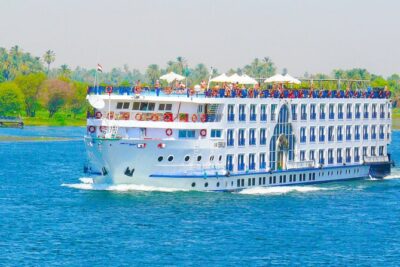
4-Days Nile Cruise From Aswan To Luxor including Abu Simbel and Hot Air Balloon
Read our review →
4-Day 3-Night Nile Cruise from Aswan to Luxor&Abu Simbel+Balloon
Read our review →
4-Day 3-Night Nile Cruise from Aswan to Luxor including Abu Simbel, Air Balloon
Read our review →
4-Days Nile Cruise From Aswan To Luxor including Abu Simbel and Hot Air Balloon
Read our review →4 Days Nile Cruise from Aswan to Luxor including Abu Simbel and Hot Air Balloon
Read our review →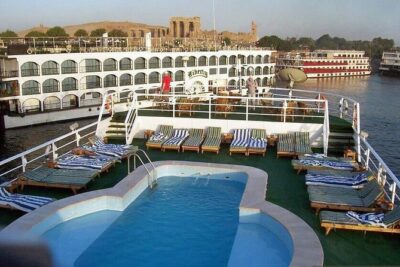
4-Day 3-Night Nile Cruise from Aswan to Luxor With Balloon and Abu Simbel
Read our review →