Review · LUXOR
4 Nights Luxor to Aswan Nile cruise with Abu Simbel&Air Balloon
The most memorable part of this five-day trip comes before breakfast: you rise over Luxor in a hot-air balloon, then spend the same journey visiting royal tombs, giant temples, and Nubian-era sites. It is a smart way to link Egypt’s major sights without arranging a new taxi, hotel, and guide every day.
I like the well-packed route and the chance to see the Nile from the deck between excursions. I also like that guides such as Ahmed, Tarek, Hany Soliman, Ismail, and Mohamed Albasha have been praised for clear explanations and patient help. The main caution is that the ship quality can vary, and a five-star Egyptian cruise may feel closer to a solid three-star hotel by European or North American standards.
Key points
- Sunrise by balloon: The Luxor flight is included, weather permitting, with cellphone photography allowed but no camera in the basket.
- Four nights afloat: Your cabin, meals, transfers, and organized sightseeing are covered, though drinks, Wi-Fi, and several entrance or boat charges cost extra.
- A serious archaeological route: You visit the Valley of the Kings, Hatshepsut’s temple, Karnak, Luxor Temple, Edfu, Kom Ombo, Abu Simbel, Philae, and Aswan High Dam.
- Very early mornings: The balloon and Abu Simbel normally require a start around 4 or 5 a.m.
- Flexible group travel: The group is limited to 15, and the order of visits can change with river conditions.
- Good value with fine print: At $648 per person, this combines lodging, food, transport, guiding, and major excursions, but you need a budget for admission tickets, drinks, tips, and the Philae motorboat.
What $648 buys you on the Luxor to Aswan route
At $648 per person, this is a value-focused Nile package rather than a luxury cruise. You get four nights aboard a cruise ship, all meals from lunch on the first day through breakfast on the last, air-conditioned road transport, a licensed guide, port and hotel transfers, the balloon ride, and the Abu Simbel trip.
That is a lot of moving parts to arrange on your own. The price is especially useful if you want an Egyptologist with you at the temples and prefer not to negotiate separate cars between Luxor, Edfu, Kom Ombo, and Aswan.
The important budget catch is entrance fees. The program says the listed sites are included in the route, but also lists entrance fees as extra. Read that as: the transport and guided visits are included, while tickets for the archaeological sites are not part of the advertised price. Water and other drinks aboard the ship are extra too. Wi-Fi is available for an added charge, and tips for the guide, drivers, crew, and service staff are not included.
You should also allow for the motorboat to Philae. It is a short crossing, but it is listed separately from the tour price. Small costs like these can add up, so the real price will be higher than $648.
More Nile Cruise and Balloon Packages in Luxor
- From Luxor: 3-Night Nile Cruise to Aswan and Hot Air Balloon
★ 3.7 · 297 reviews - From Luxor: 5-Day Nile Cruise to Aswan with Balloon Ride
★ 4.2 · 168 reviews - Private Tour to Luxor West and East Banks with Hot Air Balloon,Felucca and lunch
★ 5.0 · 162 reviews
Day one: royal tombs and Hatshepsut’s temple
Your first full sightseeing day takes you across the Nile to Luxor’s West Bank by motorboat. The Valley of the Kings is the main event, and it rewards a guide who can explain what you are seeing rather than simply point at painted walls.
The valley contains royal tombs cut into the desert hills, including the famous tomb of Tutankhamun. The most famous story concerns Howard Carter and his discovery of the tomb in 1922. The familiar line about seeing wonderful things captures the excitement, but the site itself is best understood as a royal burial zone, not a single attraction. Your admission ticket determines which tombs you enter, and the most famous tomb may require a separate ticket.
From there, the route continues to Hatshepsut’s temple. Its broad terraces rise against the cliffs, and the story is as important as the stonework. Hatshepsut ruled as pharaoh in a male-dominated system, and the temple offers a useful introduction to her long reign, trade links, and carefully shaped public image.
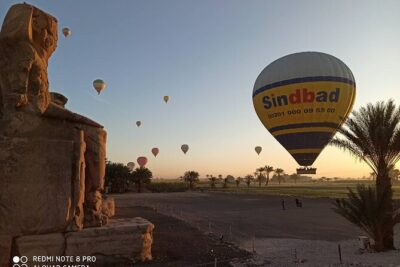
You finish at the two Colossi of Memnon, enormous seated statues that once guarded the entrance to a much larger temple complex. This is a short stop, but it gives you a good sense of scale. The statues are also an easy place to take photos before returning to the ship or accommodation.
The day lasts about seven hours. That sounds manageable, but heat, walking, and the early start can make it feel full. Wear shoes with firm soles, carry water from a shop before you begin, and do not count on your cruise drinks being free.
Day two: a balloon sunrise, Karnak, and Luxor Temple
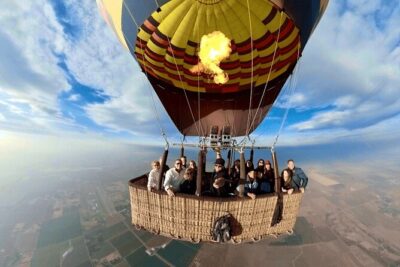
The hot-air balloon ride is the unusual feature that helps this trip earn its price. You head to the river early, cross by motorboat, and wait for the balloon operation before rising over Luxor.
The flight is weather dependent. If strong wind or other conditions cancel it, the stated refund is $30 per person. Children under six cannot take part. You can use a cellphone for pictures, but a camera is not allowed in the basket, so keep your equipment simple.
The balloon is not a lazy morning activity. Some departures require you to be ready around 4 a.m., and the operation may involve waiting before takeoff. Still, the view gives you a rare sense of how the Nile, farmland, desert, and monuments fit together. It is one of the best reasons to choose this package over a standard cruise.
After the flight, you visit Karnak Temple. This vast religious complex is not one tidy building but a long sequence of courts, columns, gateways, sanctuaries, and later additions. A good guide can help you follow the changes across different pharaohs instead of leaving you to stare at one column after another.
Luxor Temple comes later. It feels different from Karnak, more compact and more connected to the modern city. The avenue and monumental entrance help explain how temples functioned as ceremonial spaces, not just places for private worship.
The ship begins its journey after the sightseeing. You pass islands and Nile farmland, then approach the Esna lock. Lock passages can be slow and practical rather than dramatic, but they are part of the river’s working life. The ship continues toward Edfu for the night.
One point to keep in mind: the cruise does not necessarily sail continuously. The schedule can change with river traffic and sailing conditions, and some nights may be spent tied up. You may also hear engine noise, particularly in cabins toward the rear of the vessel.
Day three: Edfu’s Horus temple and sunset at Kom Ombo
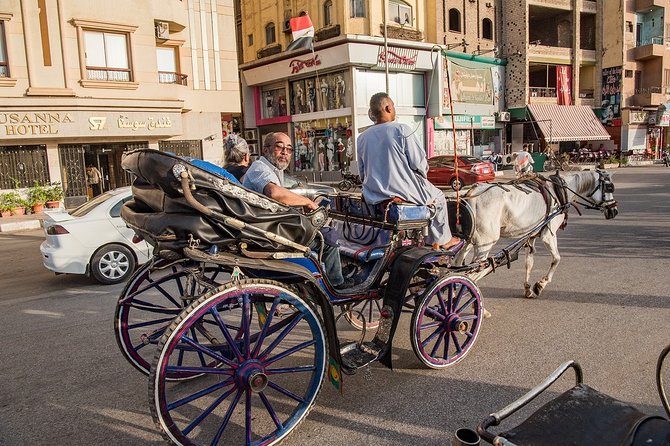
After breakfast, you travel by traditional horse and carriage to Edfu Temple. The carriage is included, and it saves you a hot walk through town, though you should still expect some waiting and street activity around the transfer.
Edfu is dedicated to Horus, the falcon-associated god, and its scale is impressive. The walls preserve large reliefs and inscriptions, while the gateways give you a strong idea of how formal and controlled temple access once was. Your guide’s explanation matters here because the carvings can otherwise blur into a mass of names and figures.
You return to the ship and continue toward Kom Ombo. The view from the sun deck is part of the appeal, especially when you have a cold drink in hand. Since drinks are not included, plan to pay for water, soft drinks, or local beverages onboard.
Kom Ombo is unusual because it is dedicated to two gods, Sobek and Horus the Elder. The temple sits beside the river, and a late-day visit can be especially atmospheric. You see the setting, the symmetrical plan, and reliefs linked to medicine, ritual, and the crocodile god Sobek.
The ship then continues to Aswan. The formal sightseeing lasts about four hours, but the day feels longer if you include the carriage ride, waiting, and sailing schedule. This is a good day to use the ship’s pool or sun deck instead of trying to add another major excursion.
More Abu Simbel and Balloon Tours in Luxor:
- 4 nights Luxor to Aswan Nile Cruise with Abu Simbel & Air Balloon
★ 4.5 · 102 reviews - Luxor: 8 Days Nile Cruise, Balloon, Guided Tours, Abu Simbel
★ 4.6 · 8 reviews - 4-Days Nile Cruise From Aswan To Luxor including Abu Simbel and Hot Air Balloon
★ 5.0 · 3,142 reviews - 4-Day 3-Night Nile Cruise from Aswan to Luxor&Abu Simbel+Balloon
★ 5.0 · 2,023 reviews
Day four: the long road to Abu Simbel
Abu Simbel requires the hardest start of the trip. Pickup is around 5 a.m., and the full outing lasts about eight hours. The road journey can take roughly four hours each way, depending on conditions and the group transfer.
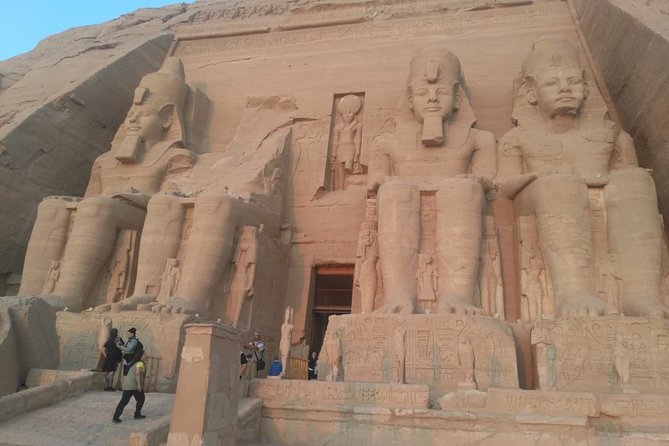
The temples are worth the effort. Ramesses II’s rock-cut temple is one of Egypt’s most recognizable monuments, with four colossal seated figures at its front. Nearby, the smaller temple honors Queen Nefertari and the goddess Hathor. You should make sure your visit includes both temples, not only the larger facade.
The time at the site may be limited to around two hours. That is enough to see the main areas, but not enough for a slow archaeological study. A guide should explain the reliefs and the relocation of the temples, but the quality of interpretation can vary when passengers from different groups are combined. Keep a guidebook or notes on your phone if Abu Simbel is a major reason for booking.
After returning to Aswan around lunchtime, you can rest, use the pool, and enjoy the ship’s entertainment. This recovery time is welcome because the following morning includes more sightseeing.
An evening visit to Aswan’s local market may be possible. It gives you a chance to see the city beyond the monuments, but the exact timing depends on the return from Abu Simbel and the cruise schedule.
Day five: Philae, the High Dam, and the final transfer
You leave the ship after breakfast and travel to Philae Island by motorboat. The temple complex was moved to higher ground after the construction of the Aswan High Dam threatened its original location. That relocation is a key part of the site’s story, and the island setting makes the visit different from the inland temples.
The boat ride to Philae is not included in the basic price, so carry extra Egyptian pounds or confirm the payment method with your guide. The crossing is short, but it is necessary to reach the temple.
The final major stop is the Aswan High Dam. It is a practical modern structure, not an ornate ancient monument, but it helps explain the control of the Nile and the changes made to settlement, farming, and archaeology in southern Egypt.
The tour ends in Aswan around 4 or 5 p.m. The included transfer can take you to an Aswan hotel, train station, or airport. If you are flying or taking a train, choose an evening departure rather than a tight connection.
What the ship is really like
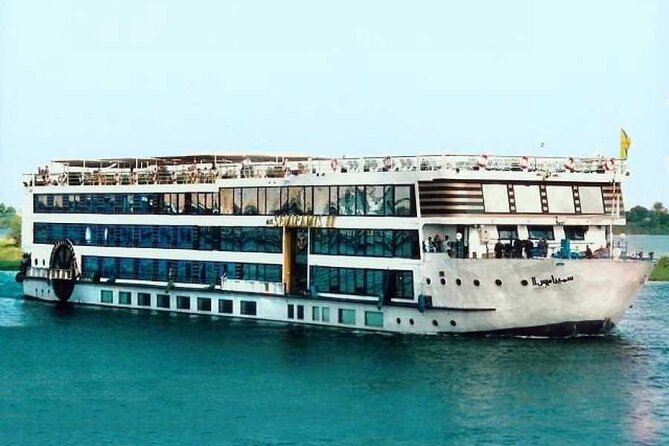
The phrase five-star cruise sounds more luxurious than the actual experience may be. Cabins are generally described as clean and usable, with daily housekeeping, private facilities, and Nile views. Food is served buffet style, and boxed meals may be available if an excursion causes you to miss normal dining hours.
The food seems to be a practical strength, though expectations should stay moderate. Some meals are described as surprisingly good, while others are simply acceptable. Beds may be less comfortable than you expect, and bathrooms can feel dated. One ship had a leaking tub, while another had serious cleanliness and hot-water problems before the passenger was moved to a different vessel.
That inconsistency is the biggest risk in the package. The assigned ship may not be confirmed in detail before departure, and the standard can vary. Some boats are described as closer to three-star accommodation than five-star accommodation by Western standards.
Noise is another issue. Ships can be tied together at port, so your window may face another boat rather than an open river view. Engines can run at night, and docking or rearranging vessels may disturb light sleepers. Ask for a cabin away from the rear engine area if that option is available, though the tour information does not guarantee a particular cabin location.
The sun deck and pool help balance the basic rooms. You spend much of the day away from the cabin, and the deck gives you time to watch river villages, farmland, and changing light along the banks.
Guides, group size, and the rhythm of the days
The group limit is 15 people, which is small enough for a guide to manage without turning every stop into a march. Guides assigned to this program have included Ahmed Abass, Ahmed, Tarek, Hany Soliman, Ismail, Mohamed Albasha, Mohammed Wafa, Ramses, Sabri, Islam, and Ramzi. The exact guide depends on your departure and language.
The strongest part of the experience is often the guide’s ability to explain ancient Egypt while also helping with practical matters. Guides may arrange transfers, answer questions, suggest how long to spend at a site, and help when plans change. English-language guiding is available, and other languages can be arranged for an additional charge.
This remains a group tour. You cannot freely wander off to add the Valley of the Queens or spend six hours in one temple unless the schedule is changed privately. At many sites, you will see the areas chosen by the guide within a fixed time.
The itinerary is flexible. River conditions can alter sailing times or put the attractions in a different order, but the stated sites are intended to remain part of the trip. This matters if you have a fixed train or flight, so keep your final-day schedule loose.
Who should book this Nile cruise?
I would choose this trip if you want the major Luxor to Aswan sights arranged in one package and you care more about access and value than polished luxury. It suits first-time visitors, solo travelers who want organized transport, and families with older children who can handle early starts and long road transfers.
It is also a good fit if you want a guide at each major temple. The historical sites are easier to understand with context, especially Karnak, Edfu, Kom Ombo, and Abu Simbel.
I would hesitate if you need guaranteed five-star hotel standards, quiet nights, excellent beds, or a fixed sailing schedule. I would also think twice if long coach rides make you ill, since Abu Simbel is a substantial road trip and the balloon morning starts very early.
The tour offers free cancellation up to 24 hours before the local start time. After that point, the stated policy allows no refund. If weather cancels the balloon or Abu Simbel, the listed refund is $30 per person for the affected activity.
Should you book it?
Book it if you want a well-organized introduction to southern Egypt at a moderate price and can accept a basic ship. The combination of the balloon, Abu Simbel, guided temples, meals, transfers, and four nights afloat is strong value at $648 before tickets and extras.
Do not book it expecting a polished luxury cruise. Think of it as an efficient archaeological journey with a floating base, early alarms, variable ship standards, and plenty of temple time. If that trade suits you, this trip can cover a remarkable stretch of Egypt with surprisingly little planning on your part.
FAQ
How long is the Luxor to Aswan cruise?
The experience lasts about five days and includes four nights aboard a cruise ship traveling from Luxor to Aswan.
Is the hot-air balloon ride included?
Yes. The Luxor hot-air balloon ride is included, but it depends on suitable weather. If it is canceled because of weather, the stated refund is $30 per person.
Can I bring a camera on the balloon?
A camera is not allowed inside the balloon basket. You can use a cellphone to take pictures.
Is Abu Simbel included?
Yes. The trip from Aswan to Abu Simbel is part of the program. It begins around 5 a.m. and the full outing lasts about eight hours.
Are meals included on the cruise?
Yes. Meals are included from lunch on the first day through breakfast on the final day. Drinks and water are not included.
Are entrance fees included?
Entrance fees are listed as extra. The package includes guided visits to the named sites, but you should budget separately for admission tickets.
Is the Philae motorboat included?
No. The motorboat to Philae is listed as an additional expense.
Where does the tour end?
The tour ends in Aswan around 4 or 5 p.m. The final transfer can go to an Aswan hotel, train station, or airport.
Just added around Luxor
- Sharm El-Sheikh: 6-Day Egypt Tour, Balloon, Flights★ 4.7 · 2 reviews
- Marsa Alam : Over Day Tour to Luxor & Balloon Ride & Felucca★ 4.4 · 29 reviews
- Luxor: West Bank Hot Air Balloon Ride with Hotel Transfers★ 5.0 · 3 reviews
- Luxor: All-Inclusive 3-Night Nile Cruise to Aswan & Balloon★ 3.7 · 4 reviews
- Luxor: 8 Days Nile Cruise, Balloon, Guided Tours, Abu Simbel★ 4.6 · 8 reviews
- Luxor: Hot Air Balloon & Private tour to West bank and Lunch★ 4.9 · 15 reviews
- Luxor: 3-Day Nile Cruise to Aswan with Hot Air Balloon★ 3.9 · 6 reviews
- Luxor: Amazing Sunrise Hot Air Balloon Ride★ 4.5 · 45 reviews
Luxor Hot Air Balloon Rides, compared.
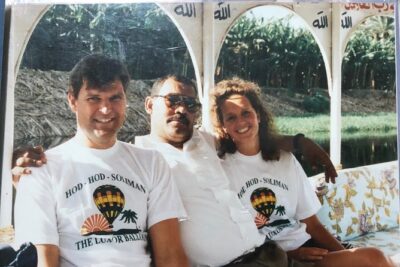
Hot Air Balloon Ride in Luxor Egypt with Transfers Included
Read our review →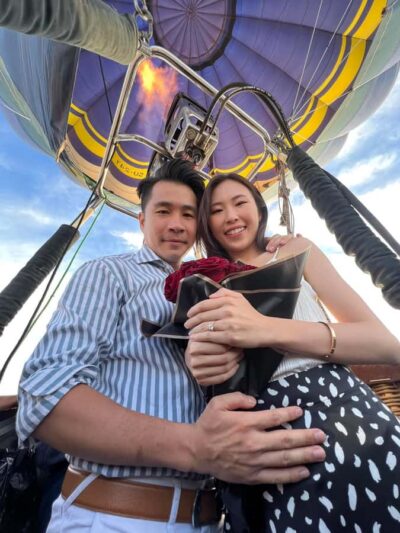
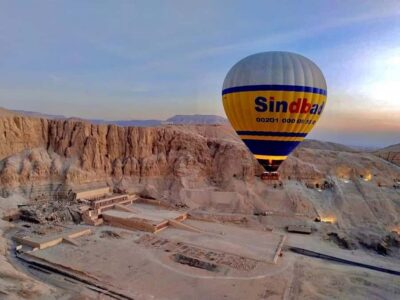
2-Day Luxor Tour with Hotel, Balloon, & Boat Ride
Read our review →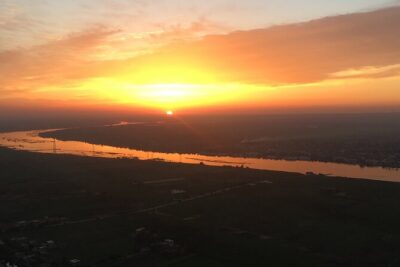
Luxury Sunrise Balloon Ride in Luxor with Hotel Pickup
Read our review →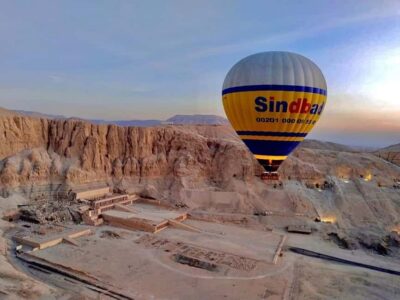
Sunrise Hot Air Balloon Over the Historical sites in Luxor
Read our review →