
Review · ASWAN
Enjoy 3 days Aswan,Luxor,Abu Simbel,Nubian village&Balloon by flight from Cairo
Abu Simbel is the great prize here, but this fast-moving trip gives you much more: Aswan’s Nubian culture, Philae Temple, Luxor’s royal tombs, Karnak, and a sunrise hot-air balloon flight. You cover Egypt’s southern highlights without arranging separate flights, drivers, trains, and hotels.
I like the private format and the local touches, especially the Nubian village visit and lunch in a Luxor family home. I also like that the tour includes the awkward pieces, such as the early airport pickup, the Aswan to Luxor train, and door-to-door transfers. The trade-off is a demanding schedule, with a 4:30 a.m. departure for Abu Simbel and another pickup around 5 a.m. for the balloon ride.
Key points to know before booking
- Abu Simbel begins around 4:30 a.m. The early start is tiring, but it gets you to one of Egypt’s most memorable sites on a tightly planned day.
- The tour uses several kinds of transport. You fly from Cairo to Aswan, take a first-class air-conditioned train to Luxor, and fly from Luxor back to Cairo.
- You get two different local experiences. A motorboat carries you to a Nubian village, and a family lunch in Luxor offers a look at everyday Egyptian life.
- The balloon ride starts near sunrise. The flight lasts about 30 to 45 minutes over Luxor’s West Bank.
- The private format gives your group flexibility. An Egyptologist guide accompanies your group rather than placing you with a large shared party.
- The $790 price covers a lot, but not entrance fees or tips. Budget for those extra costs before you book.
Why this three-day route works
This is not a relaxed Nile holiday. It is a concentrated tour for seeing the largest number of southern Egyptian sights in a short time.
You begin in Cairo or Giza, fly south to Aswan, travel by train to Luxor, and fly back to Cairo. The route avoids long road transfers between the major cities, which is a real advantage. You spend your time seeing temples and tombs rather than sitting in a vehicle for an entire day.
The private setup also matters. Your group has its own guide and drivers, and the operator handles the airport transfers, hotel transfers, train connection, and sightseeing transport. That reduces the chance of losing time in unfamiliar stations or airports.
The schedule is still intense. Day one begins around 5 a.m., day two begins around 4:30 a.m., and day three begins around 5 a.m. You should be comfortable with early mornings and a fair amount of walking in the heat.
More Abu Simbel and Balloon Tours in Aswan:
- 4-Days Nile Cruise From Aswan To Luxor including Abu Simbel and Hot Air Balloon
★ 5.0 · 3,142 reviews - 4-Day 3-Night Nile Cruise from Aswan to Luxor&Abu Simbel+Balloon
★ 5.0 · 2,023 reviews - 4-Day 3-Night Nile Cruise from Aswan to Luxor including Abu Simbel, Air Balloon
★ 4.5 · 612 reviews
Day one: Nubian life, Philae Temple, and Aswan
Your first morning starts with pickup at your Cairo or Giza hotel and a transfer to Cairo Airport. After the flight to Aswan, a guide meets you at the airport with a sign bearing your name.
That airport welcome is useful after an early flight. Instead of finding a taxi or working out a local transfer, you move directly into the sightseeing plan.
A motorboat to the Nubian village
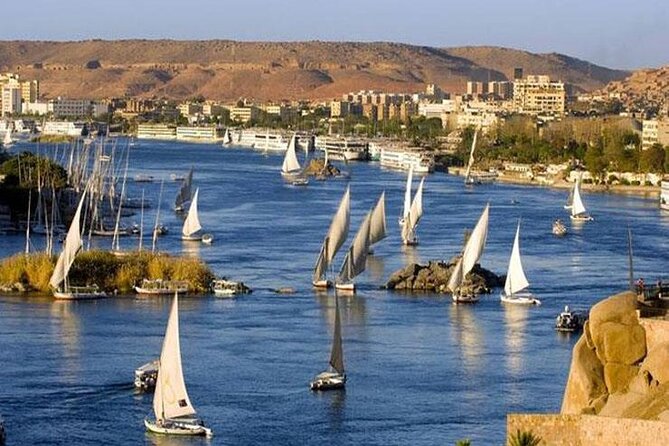
The first Aswan outing takes you by traditional sailing motorboat across the Nile toward a Nubian village on the West Bank. The route passes the First Cataract and offers a change of pace from the formal temples that follow.
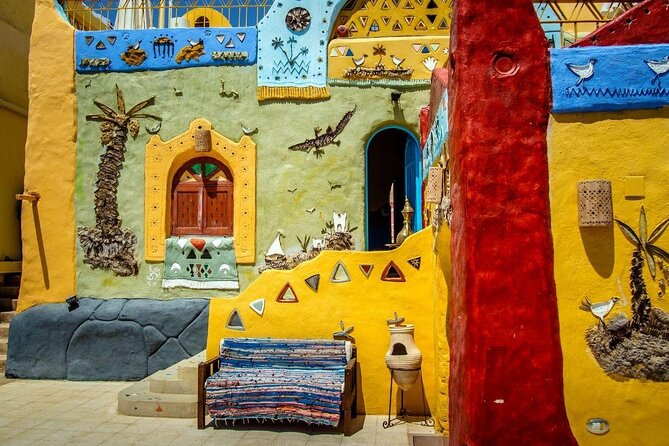
The village visit focuses on Nubian culture, family life, customs, and photographs. You are introduced to a Nubian family and get a chance to see a simpler domestic setting rather than only viewing Egypt through monuments.
This is one of the more personal parts of the trip. It also deserves a little sensitivity. You are visiting a living community, so follow your guide’s advice about photographs and behave as a respectful visitor rather than treating the village like a stage set.
Afterward, you check into your Aswan hotel, have lunch at a local restaurant, and take time to rest. That break is welcome because the day began before sunrise.
The High Dam and Philae Temple
Later, you visit the Aswan High Dam and take a motorboat to Philae Temple. The dam is a major modern engineering project and helps explain why the area’s ancient monuments had to be protected and relocated.
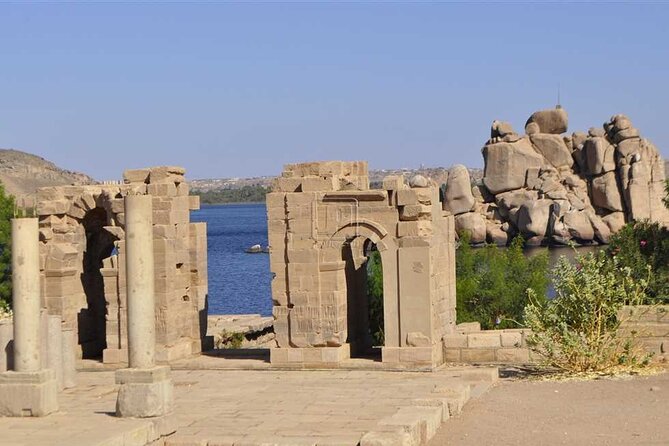
Philae is set on an island, so the boat ride is part of the experience rather than just a transfer. The temple is associated with the goddess Isis and is known for its carved columns, courtyards, and riverside setting.
Your Egyptologist guide helps give the carved scenes and religious symbols a clear meaning. Without guidance, it is easy to see Philae as a collection of impressive stone walls. With context, you can follow the story of the temple and understand why this site matters.
You spend the night in a four-star Aswan hotel with breakfast included. The exact hotel is not specified, so you should confirm the property and room details before booking if accommodation standards are important to you.
A few more balloon flights around Aswan worth a look
- From Aswan: 3-Day Cruise to Luxor with Hot Air Balloon
★ 4.3 · 598 reviews - 3 Day Nile Cruise from Aswan to Luxor and Hot Air Balloon
★ 5.0 · 20 reviews - From Aswan: 2 Night-3 Day Nile Cruise & Hot Air Balloon Ride
★ 5.0 · 19 reviews - 3 Day Nile Cruise from Aswan and Luxor Hot Air Balloon
★ 5.0 · 15 reviews
Day two: Abu Simbel before breakfast
The second day is the hardest physically, but Abu Simbel is also the reason many people choose this route.
Pickup is around 4:30 a.m. for the journey to the temples. The early departure means you should have an alarm ready, clothes laid out, and any needed water or personal items prepared the night before.
The colossal temples of Ramesses II and Nefertari
Abu Simbel is a rock-cut complex built for King Ramesses II and Queen Nefertari. Its huge seated figures and monumental entrance make it unlike the temples in Aswan and Luxor.
Inside, the carved halls and chambers show the power the pharaoh wanted to project. The temple dedicated to Nefertari is especially important because it honors a queen on an unusually grand scale.
The visit is short compared with the effort needed to reach Abu Simbel, but this is a case where the long morning is justified. You see one of Egypt’s most famous sites and then return to Aswan for lunch at a local restaurant.
The supplied information does not state the exact road duration or whether breakfast is provided during this early departure. Ask about those details before you go. Breakfast is included at the hotel, but the timing may make it difficult to eat there on the morning of the Abu Simbel trip.
The first-class train to Luxor
After lunch, you transfer to Aswan station for an air-conditioned first-class train to Luxor. The ride takes about three hours.
This train connection is a practical part of the package. You avoid arranging a separate ticket and transfer, and the air-conditioned carriage gives you a chance to rest after the early start.
The train is also a useful transition between the character of Aswan and the grand archaeological center of Luxor. Once you arrive, a driver takes you to your hotel for the night.
You stay in a four-star Luxor hotel with breakfast included. As in Aswan, the specific property is not named, so confirm the hotel before making a final decision.
Day three: a sunrise balloon ride over Luxor
The final day begins around 5 a.m. with a hot-air balloon flight over Luxor’s West Bank. The flight lasts about 30 to 45 minutes and is timed for sunrise.
From above, you see the Nile Valley, the desert edge, the West Bank mountains, and major ancient sites below. The morning light is the main attraction. It gives you a broad view of the area before you spend the rest of the day visiting the monuments on foot.
Balloon flights depend on operating conditions, and the provided details do not explain the procedure if weather affects the flight. Ask the operator about rescheduling or refunds for this part if the ride is especially important to you.
The Valley of the Kings
After the balloon ride, you visit the Valley of the Kings. More than 60 pharaohs had tombs cut into the mountain cliffs here, though the number of open tombs can vary.
The valley is not a single grand temple. It is a dry, rugged area where narrow entrances lead down into decorated burial chambers. The paintings and inscriptions were made for the afterlife, and the guide helps you understand how the rooms were used.
Entrance fees are not included in the tour price. The supplied details do not specify which tombs are covered by the standard admission or whether special tomb tickets are extra, so ask before arrival if you want to see a particular tomb.
Hatshepsut’s temple and the Colossi of Memnon
Next comes the Temple of Queen Hatshepsut, built into the cliffs of the West Bank. Its broad terraces and strong lines make it different from the enclosed temple spaces in Aswan.
Hatshepsut’s story is one of the most interesting royal stories in Egypt. She ruled as pharaoh and used monumental architecture to present her authority. Your Egyptologist guide can help explain the reliefs, statues, and royal imagery.
The last West Bank stop is the Colossi of Memnon. These enormous seated statues are the remaining pieces of the funerary temple of Amenophis III. The stop is brief and mainly suited to photographs, but the scale of the statues gives you a clear sense of how large the original complex must have been.
Lunch in a Luxor family home
You then cross to the East Bank for a typical Egyptian lunch in a local house. You have food, drink Egyptian tea, and see how a family lives and handles daily routines.
This is a valuable counterpoint to the tombs and temples. Egypt is not only an archaeological site, and a home visit gives you a small window into present-day customs and family life.
The description promises a local experience, but it does not list the menu or explain dietary options. If you have allergies or follow a special diet, tell the operator before the trip.
Karnak Temple and the flight back to Cairo
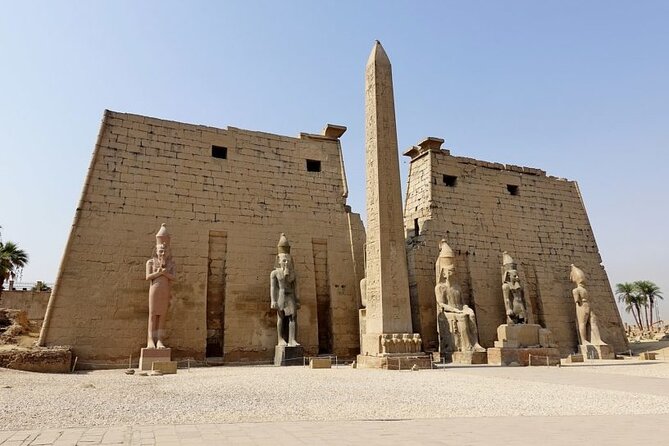
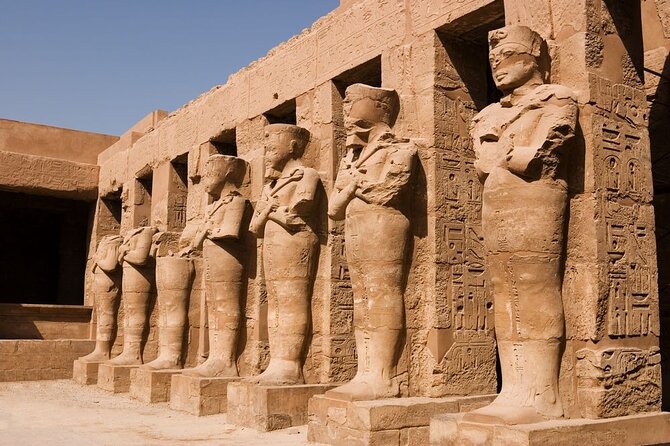
Your last major sight is Karnak Temple, one of the largest temple complexes in Egypt. Its columns, courts, obelisks, and processional spaces make it a fitting final stop.
Karnak can feel overwhelming without a plan. A good guide helps you focus on the main areas instead of trying to absorb every stone at once. Since this is the end of a long day, keep your pace steady and save some energy for the airport transfer.
After Karnak, you drive to Luxor Airport for the return flight to Cairo. On arrival, a representative transfers you back to your Cairo or Giza hotel.
What the $790 price really covers
At $790 per person, this is an expensive short tour, but the price includes several costly pieces:
- Round-trip flights between Cairo and Aswan, and Luxor and Cairo
- Two hotel nights with breakfast
- The Aswan to Luxor first-class train
- Door-to-door transfers from Cairo or Giza
- Licensed drivers and an Egyptologist guide
- Abu Simbel
- The Nubian village tour
- The hot-air balloon flight
- Aswan and Luxor sightseeing
- Daily lunches, including the local-house meal in Luxor
- Taxes, handling fees, and required tour licenses
The value is strongest if you want a ready-made private route. Booking these parts separately would require you to coordinate flights, airport pickups, an early Abu Simbel trip, train tickets, hotels, a balloon company, and guides.
The price does not include entrance fees or tips. Those omissions matter because the trip includes several major archaeological sites. Ask for a current list of entrance charges so you can estimate the final cost accurately.
The package also says group discounts are available. Since this is a private tour, the per-person value may improve if you are traveling with family or friends.
The guide and service style
The tour uses an Egyptology guide in Aswan and Luxor, not only a driver. That distinction matters at places such as Philae, Abu Simbel, the Valley of the Kings, and Karnak, where the stories behind the carvings make the sites far more interesting.
Guide assignments can vary. Abdo and Lamy are named among the guides connected with the experience, while Hany is identified as the tour operator. If you have a preferred guide or need a particular language, ask at booking rather than assuming one person will lead every day.
The private format means only your group participates. That makes it easier to set the pace, ask questions, and manage the early starts. It does not mean the schedule is leisurely. The flights and train create fixed timing, and the balloon ride has its own morning departure.
The service has received a perfect overall rating from three published bookings, with particular praise for the guides, drivers, and organization. That is a small sample, so I would treat it as encouraging rather than final proof. The most consistent strength is the way the team handles a complicated package from start to finish.
Who should book this tour
I would recommend this trip if you have only three days for Upper Egypt and want to see the headline sites without planning each transfer yourself.
It suits you especially well if you:
- Want a private tour rather than a large group
- Prefer flights and organized transfers over long road journeys
- Care more about seeing major sites than having free time
- Want both ancient monuments and present-day cultural visits
- Are comfortable with very early mornings
- Like having a guide explain the sites as you go
I would hesitate if you want slow mornings, long time at each monument, or unplanned time in Aswan and Luxor. The schedule leaves little room for delays, extra shopping, or independent wandering.
Pack light, keep your identification and flight details close, and bring comfortable walking shoes. You should also prepare for changing between airports, hotels, train stations, motorboats, and archaeological sites in quick succession.
Free cancellation is available up to 24 hours before the start time for a full refund. Changes or cancellations within 24 hours are not accepted and are not refunded.
Should you book this Aswan and Luxor tour?
Book it if your main goal is maximum sightseeing with minimum planning. Abu Simbel, Philae, the Nubian village, Luxor’s West Bank, Karnak, and a hot-air balloon ride would be difficult to arrange smoothly in only three days.
Skip it if you prefer a relaxed Egypt trip. The early starts are serious, and the price does not include entrance fees or tips. For an organized private itinerary that connects Cairo, Aswan, and Luxor efficiently, though, the package offers a strong amount of transport, guiding, lodging, and sightseeing in one plan.
FAQ
Where does the tour begin and end?
The tour begins with pickup from your hotel in Cairo or Giza and ends with transfer back to your Cairo or Giza hotel after the return flight from Luxor.
Are flights included?
Yes. The package includes a flight from Cairo to Aswan and a return flight from Luxor to Cairo.
How do I travel from Aswan to Luxor?
You travel by first-class, air-conditioned train. The journey takes about three hours.
Are hotel stays included?
Yes. The tour includes one night at a four-star hotel in Aswan and one night at a four-star hotel in Luxor, with breakfast included.
Are entrance fees included?
No. Entrance fees are not included in the tour price. Tips are also excluded.
Can I cancel for a full refund?
Yes, if you cancel at least 24 hours before the experience start time. Cancellations or changes made within 24 hours are not refunded or accepted.
Just added around Aswan
- (3-Nights Cruise From Aswan To Luxor & Balloon, Abu Simbel)★ 4.5 · 23 reviews
- 4-Days Nile Cruise From Aswan To Luxor Abu Simbel and Air Balloon★ 4.5 · 2 reviews
- 4-Day Nile Cruise: Aswan to Luxor & Abu Simbel + Hot Air Balloon★ 4.5 · 35 reviews
- 8 Nights Egypt Tour,Cairo,Luxor,Aswan&Abu Simbel,Nile Cruise,Hot Air Balloon★ 4.5 · 11 reviews
- 3-Nights Cruise From Aswan To Luxor, Hot Air Balloon,Abu Simbel★ 4.5 · 46 reviews
- 4 Days Nile Cruise &Hot Air Balloon on M/S Movenpick Royal Lilly★ 5.0 · 4 reviews
- (Wonderful 3-Nights Nile Cruise from Aswan to Luxor & Balloon)★ 4.5 · 17 reviews
- Luxor: 4-Night Nile cruise , Hot Air balloon , west bank , abu simbel★ 5.0 · 3 reviews
Aswan Hot Air Balloon Rides, compared.
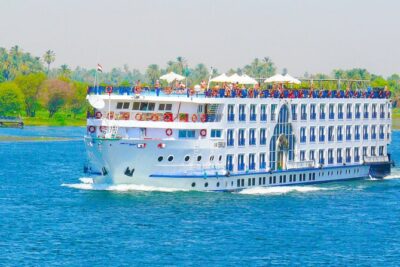
4-Days Nile Cruise From Aswan To Luxor including Abu Simbel and Hot Air Balloon
Read our review →
4-Day 3-Night Nile Cruise from Aswan to Luxor&Abu Simbel+Balloon
Read our review →
4-Day 3-Night Nile Cruise from Aswan to Luxor including Abu Simbel, Air Balloon
Read our review →
4-Days Nile Cruise From Aswan To Luxor including Abu Simbel and Hot Air Balloon
Read our review →4 Days Nile Cruise from Aswan to Luxor including Abu Simbel and Hot Air Balloon
Read our review →
4-Day 3-Night Nile Cruise from Aswan to Luxor With Balloon and Abu Simbel
Read our review →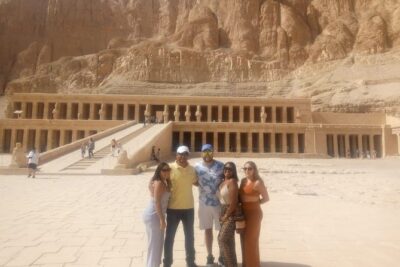
4-Days Nile Cruise Aswan&Luxor,Hot Air Balloon&Abu Simbel.Hot deal
Read our review →Browse the lists this tour appears in