Review · ASWAN
3 Day Nile Cruise from Aswan to Luxor and Hot Air Balloon
The best part of this trip is the rhythm: ancient temples by day, the Nile sliding past your cabin, and a hot-air balloon flight that gives you a sunrise view over Luxor. You visit major sites without changing hotels each night, which makes this a smart way to cover southern Egypt in a short time.
I like the private-group format, since your own party takes part rather than joining a large mixed crowd. I also like the full-board 5-star cruise setup, with transfers, meals, an Egyptologist guide, and admission fees bundled into one price. The main drawback is the packed schedule, and the balloon flight has no fixed time shown in the details, so you should confirm exactly when and how it fits into the three days.
Key points before you book
- Sunrise from a hot-air balloon: The flight offers a rare view of the Nile, Luxor’s temples, and the west bank from above.
- A strong temple lineup: Philae, Kom Ombo, Edfu, Karnak, Luxor Temple, and Hatshepsut are all included.
- A 5-star boat with full board: Two breakfasts, two lunches, and two dinners are listed, along with cabin accommodation.
- Private touring: Only your group takes part, with transfers in an air-conditioned deluxe vehicle.
- A useful guide connection: Mohamed Eldahesh, also shown as Mohammed Al-Dahesh, is specifically praised for organized Spanish-language guiding.
- Watch the schedule: The listed route includes three days of sightseeing, but the hot-air-balloon timing is not laid out stop by stop.
Why this Aswan to Luxor cruise works so well
A Nile cruise is more than transport between monuments. The river gives the trip a steady pace. Instead of packing and unpacking for Aswan, Kom Ombo, Edfu, and Luxor, you return to the same floating base after each excursion.
That matters in Egypt, where sightseeing can be hot, early, and physically demanding. You can visit a temple in the morning, return to the boat for food or rest, and watch the river from the deck later. The cruise turns several long transfers into part of the experience.
The route runs south to north, from Aswan toward Luxor. It combines Ptolemaic and Roman temples with major pharaonic monuments. You get both the grand scale of Karnak and the more intimate pleasure of discovering a temple beside the river at sunset or after dark, depending on the boat’s operating schedule.
At $655.07 per person, the price is not a budget Nile trip. It does, however, bundle several costly pieces: a 5-star cruise, full-board accommodation, transfers, an Egyptologist guide, admission tickets, and a hot-air-balloon flight. That can be good value if you would otherwise arrange each part separately.
The price becomes harder to judge if you want a long, slow visit at every site. This is a sightseeing-heavy three-day program. You are paying for convenience and coverage more than for a leisurely stay in each temple.
More Nile Cruise and Balloon Packages in Aswan
- 4-Days Nile Cruise From Aswan To Luxor including Abu Simbel and Hot Air Balloon
★ 5.0 · 3,142 reviews - 4-Day 3-Night Nile Cruise from Aswan to Luxor&Abu Simbel+Balloon
★ 5.0 · 2,023 reviews - 4-Day 3-Night Nile Cruise from Aswan to Luxor including Abu Simbel, Air Balloon
★ 4.5 · 612 reviews
Day one: the High Dam and the relocated Temple of Philae
The first stop is the Aswan High Dam, built between 1960 and 1970 to control flooding and generate electricity. It is an enormous modern project, and the visit gives you an important piece of Egypt’s recent story before you turn to the ancient monuments.
The dam also changed the geography of the Nile. Its reservoir flooded large areas, and several ancient sites had to be moved. That context makes the next stop, Philae, especially meaningful.
To reach the Temple of Philae, you take a small motorboat. The approach across the water is part of the appeal. The temple complex was dedicated mainly to Isis, one of ancient Egypt’s most important goddesses, and its surviving buildings reflect centuries of construction under Greek and Roman rulers.
Allow about two hours here. Your guide can help you read the reliefs, understand the role of Isis, and separate the different building periods. Without explanation, the carved walls can look like a grand collection of symbols. With context, you begin to see how religious stories, royal power, and Roman influence overlap.
The boat ride means you should expect some sun and wind before entering the temple area. Bring water, a hat, and practical shoes. The program includes admission, the motorboat connection, and transport, so you are not left piecing together the logistics on your own.
After Philae, the cruise continues toward Kom Ombo. The supplied schedule describes the route as returning toward Kom Ombo after the High Dam and Philae visits, so exact sailing times may vary with the boat’s movement and docking arrangements.
Kom Ombo: two gods, one unusual temple
Kom Ombo is one of the most distinctive stops on the river. The temple is dedicated to Sobek, the crocodile god, and Horus, the falcon-headed god. Its plan is unusually symmetrical, with paired entrances, halls, and sanctuaries serving the two divine traditions.
You have about two hours here. That is enough to understand the layout and see the major carvings, but you will need to keep moving if you want to cover the site carefully.
Kom Ombo is valuable because it feels different from the larger temple complexes at Luxor. Its double design gives you a clear visual way to understand how ancient religion shaped architecture. It also reflects the long period of building and modification during the Ptolemaic and Roman eras.
The stop is often made near the river, which makes the return to the boat simple, but the exact timing can depend on docking. A short visit here is better than skipping it. The twin sanctuaries give the cruise a strong first day, especially after the more modern High Dam and the water approach to Philae.
Dinner and a folkloric show are listed for the first evening. That adds a bit of onboard entertainment after a full day of temples. Keep your expectations sensible: the main value of the evening is the chance to relax aboard the boat rather than another major cultural visit.
Day two: Edfu’s Temple of Horus
The second day centers on Edfu, home to the Temple of Horus. Built between 237 and 57 BCE, it is among Egypt’s best-preserved ancient temples. Its huge entrance pylons, carved walls, courtyard, columns, and inner sanctuary give you a strong sense of how a temple was organized.
A horse-drawn carriage ride takes you to the temple. This is a practical part of the outing as well as a memorable one, since Edfu is set away from the usual river landing area. The carriage ride adds local character, though you should be prepared for a less polished experience than the cruise itself.
The visit is scheduled for about three hours. That longer block is welcome. Edfu is not a quick photo stop. You can examine the monumental entrance, walk through the courtyard, study the reliefs, and listen to your guide explain the role of Horus and the temple’s ceremonial spaces.
I would pay close attention to the reliefs around the entrance and inner rooms. They show how kings presented themselves as defenders of divine order. The temple is also a useful reminder that ancient Egyptian religious building continued long after the great pyramids and early dynasties.
The carriage ride and temple approach may involve waiting, traffic, or uneven surfaces. This is one reason comfortable footwear and patience matter. Most people can take part, but the day is not designed as a low-effort sightseeing outing.
Same sky, a different way to spend the morning:
- From Aswan: 3-Day Cruise to Luxor with Hot Air Balloon
★ 4.3 · 598 reviews - 4-Days Nile Cruise From Aswan To Luxor including Abu Simbel and Hot Air Balloon
★ 4.5 · 509 reviews - 4 Days Nile Cruise from Aswan to Luxor including Abu Simbel and Hot Air Balloon
★ 4.5 · 356 reviews - 4-Day 3-Night Nile Cruise from Aswan to Luxor With Balloon and Abu Simbel
★ 5.0 · 327 reviews
Karnak and Luxor Temple on the east bank
After Edfu, the program moves toward Luxor for two major sites on the east bank: Karnak Temple and Luxor Temple. Together, they form the biggest concentration of monumental architecture on the route.
Karnak receives about two hours. The complex covers a vast area and was developed over many centuries, mainly around the worship of Amun-Ra. The Hypostyle Hall is the visual high point, with 134 towering columns covered in carved inscriptions and scenes.
Two hours gives you a useful introduction, but it does not allow you to inspect every section of Karnak. I would stay close to the guide and ask which areas matter most. The scale can be confusing, and a guide’s explanation helps you understand that Karnak is not one single temple built at one time. It is a collection of sanctuaries, chapels, gateways, and sacred spaces added by different rulers.
The sacred lake and the great columns help you grasp the scale of royal resources in ancient Thebes. Bring water and protect yourself from the sun. The site is wide, and the distance between its major features can make the visit tiring.
Luxor Temple follows, with another two-hour visit. Its grand entrance, colossal statues, obelisks, avenue of sphinxes, and carved walls create a different mood from Karnak. Luxor Temple was tied to royal ceremonies and the Theban gods, and its placement in the modern city gives it a more immediate setting.
I like the contrast between the two sites. Karnak feels vast and ceremonial. Luxor Temple feels more concentrated, with its major elements arranged along a route that is easier to follow.
The schedule places both temples on the same day, which makes day two the busiest part of the trip. If you tire easily, use the cruise breaks wisely and avoid spending all your energy at the first site. You will want something left for Luxor Temple.
Day three: tombs, cliffs, and the Colossi of Memnon
The third day crosses to Luxor’s west bank, beginning at the Valley of the Kings. This is where many rulers of the New Kingdom were buried between roughly the 16th and 11th centuries BCE.
The program allows about two hours. Admission is included, but the number of tombs open and any special tomb charges can vary. The details provided do not specify which individual tombs are included, so confirm this before you go if seeing Tutankhamun’s tomb is important to you.
The valley is not mainly about grand buildings. It is about entering rock-cut tombs, where painted scenes and inscriptions were meant to guide the dead through the afterlife. Some tombs are cramped or reached by sloping paths, so take your time and carry water.
Tutankhamun is the most famous name associated with the valley, but the wider site is important because it shows how royal burial customs changed. The tombs were hidden in a dry valley rather than built as huge pyramids. Your Egyptologist can make sense of the gods, rituals, and symbols that repeat across the painted walls.
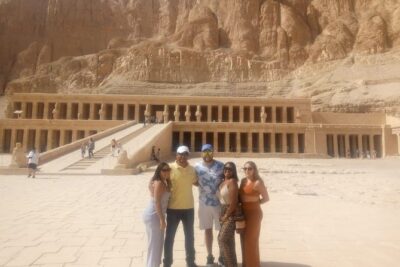
Next comes the Temple of Hatshepsut at Deir el-Bahari, with about one hour on site. The temple rises in terraces against the cliffs and was built for Hatshepsut, one of Egypt’s few female rulers. Its design is one of the most striking architectural moments in Luxor.
One hour is enough to see the main terraces and understand the setting, though you may want longer for photographs and close study. The bare cliffs and ordered platforms create a sharp contrast with the decorated tombs in the Valley of the Kings.
The final stop is the Colossi of Memnon, two seated quartzite statues of Amenhotep III. The visit lasts about 30 minutes and admission is free. This is a short stop, but the statues are huge, weathered, and easy to appreciate without a long explanation.
Do not expect a full museum-style visit here. Think of it as a brief look at a pair of monumental figures before the tour ends or moves to your next transfer.
The hot-air balloon flight needs careful confirmation
The hot-air balloon ride is one of the biggest reasons to choose this package. At sunrise, the west bank offers a view of the Nile and the ancient sites from above, giving you a sense of how closely the temples, farmland, river, and desert sit together.
The available details do not assign the balloon to a specific day or give a flight duration. The cancellation note says that if bad weather cancels the flight, you receive a $25 refund per person. That is useful, but it also makes clear that the flight depends on conditions.
Ask the operator before departure:
- Which morning includes the flight?
- Is a separate early pickup required?
- How does the balloon fit around the Valley of the Kings?
- What happens if the boat schedule changes?
- Is the $25 refund automatic if weather cancels the flight?
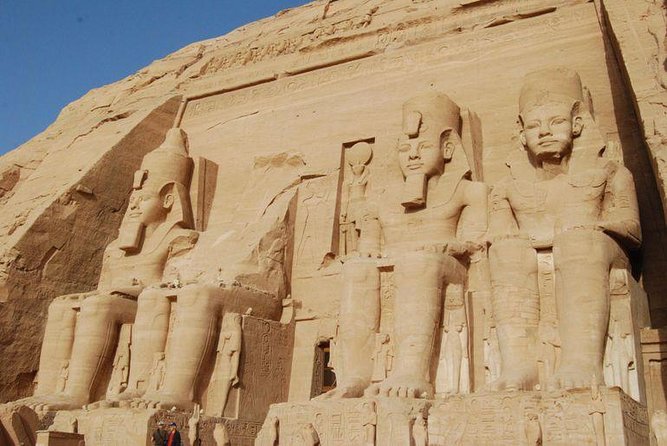
The flight is not a reason to ignore the rest of the cruise. It is a memorable extra, but the temples remain the core of the trip. Also note that several comments connected this experience with Abu Simbel, yet Abu Simbel is not included in the supplied day-by-day program or included-services list. Confirm this point before booking if Abu Simbel is essential to your plans.
Cabins, meals, guides, and group arrangements
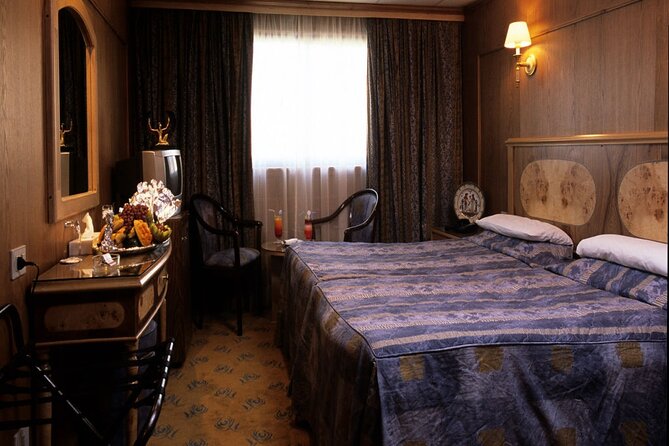
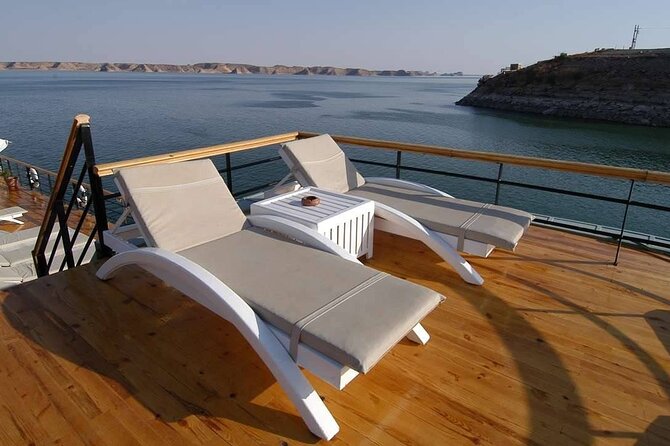
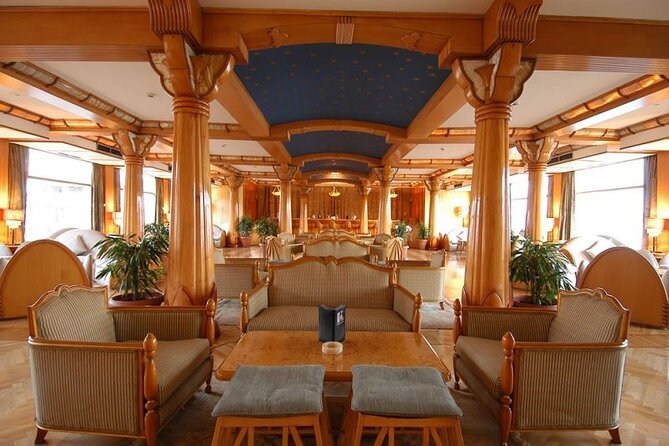
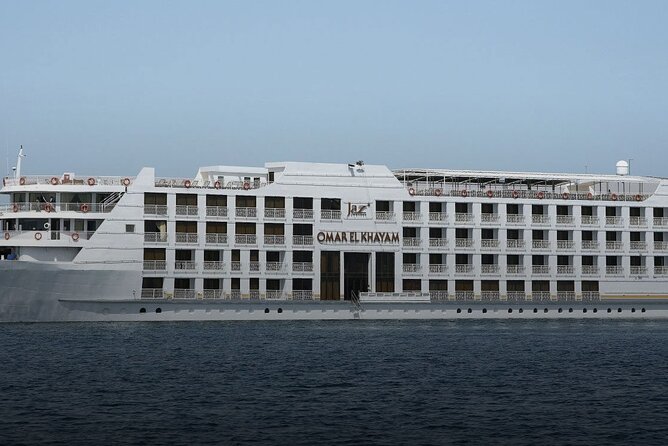
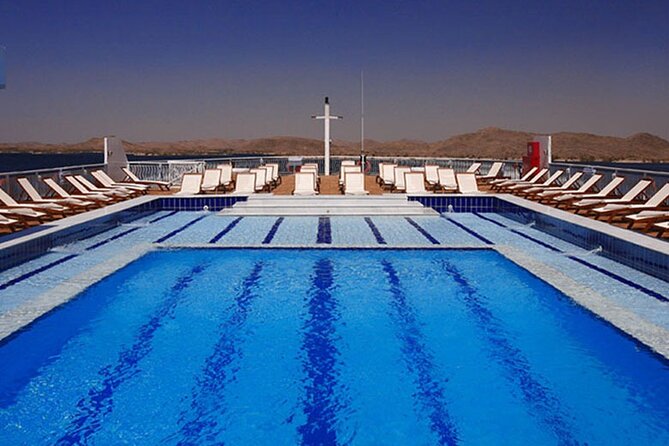
You stay aboard a 5-star cruise ship on a full-board basis. The included meals are two breakfasts, two lunches, and two dinners. That fits a two-night sailing pattern, even though the experience is described as lasting three days.
Private cabins are available, but the room rules matter. If you want a cabin alone, book as a single person. A group of three receives one triple room unless one person makes a separate single booking.
Transfers use a modern, air-conditioned deluxe vehicle. Pickup is offered, and the stated start time is 12:00 pm. Confirmation is provided at booking, and the tour is described as suitable for most people and located near public transportation.
Your guide is one of the most important parts of the experience. The supplied feedback specifically names Mohamed Eldahesh, also written as Mohammed Al-Dahesh, as a Spanish-speaking guide who kept visits organized and explained the sites clearly. Guide language should still be confirmed in advance, since the general description only promises an Egyptologist guide and does not guarantee Spanish for every departure.
Tipping is not included. Set aside money for tips, since the package specifically lists them as an extra.
Who should book this Nile cruise?
I would choose this trip if you want to see the main Aswan to Luxor monuments without arranging separate hotels, cars, site tickets, and river transport. It suits first-time visitors who value a clear plan and appreciate having an Egyptologist explain what they are seeing.
It also suits couples and small private groups who want their own arrangement rather than a large shared tour. The boat gives you a comfortable base, while the private format can make transfers and sightseeing feel more controlled.
I would hesitate if you prefer slow mornings, long museum visits, or plenty of unplanned time. Karnak, Luxor Temple, the Valley of the Kings, and Hatshepsut all deserve more time than a short schedule can provide.
Christmas, New Year, and Easter bring an additional charge, with the stated peak-period supplement applying from December 20 through January 7. Free cancellation is available up to 24 hours before the local start time. Inside that window, the amount paid is not refunded and changes are not accepted.
Should you book it?
Book this cruise if your priority is efficient coverage with comfort. You receive a strong run of ancient sites, full-board boat accommodation, ground transport, an Egyptologist guide, and the chance to see Luxor from a hot-air balloon.
Before paying, confirm the ship name, cabin arrangement, guide language, balloon timing, and Abu Simbel status. If those details match your plans, $655.07 can be fair value for a private, tightly organized Nile experience. If you want more free time or a slower pace, look for a longer cruise instead.
FAQ
How long is the Nile cruise?
The experience lasts approximately three days and travels from Aswan to Luxor.
What time does the tour start?
The stated start time is 12:00 pm.
Is hotel or pickup service offered?
Pickup is offered, and the package includes meet and assist service on arrival and departure.
What meals are included?
The package includes two breakfasts, two lunches, and two dinners as part of the full-board cruise stay.
Is the accommodation on the boat?
Yes. Accommodation is aboard a 5-star cruise ship.
Can I have a private room?
Yes, but you must book as a single person if you want your own room. A group of three receives one triple room unless a separate single booking is made.
What happens if the hot-air balloon flight is canceled?
If bad weather cancels the flight, you receive a refund of $25 per person.
Are tips included in the price?
No. Tipping is listed as an additional expense.
Is Abu Simbel included?
Abu Simbel is not listed in the supplied day-by-day program or included-services list, so confirm this directly before booking if you want to visit it.
Can I cancel for a full refund?
You can cancel up to 24 hours before the experience’s local start time for a full refund. Cancellations or changes made less than 24 hours in advance are not accepted.
More 3-Day Experiences in Aswan
- From Aswan: 2 Night-3 Day Nile Cruise & Hot Air Balloon Ride
★ 5.0 · 19 reviews - 3 Day Nile Cruise from Aswan and Luxor Hot Air Balloon
★ 5.0 · 15 reviews - Amazing Sailing Nile Cruise From Aswan For 2 Nights 3 Days Including Balloon
★ 4.5 · 7 reviews - 3 Days Private Tour to Abu Simble, Balloon Ride, Aswan and Luxor
★ 3.5 · 5 reviews
Just added around Aswan
- 4-Days Nile Cruise From Aswan To Luxor Abu Simbel and Air Balloon★ 4.5 · 2 reviews
- (3-Nights Cruise From Aswan To Luxor & Balloon, Abu Simbel)★ 4.5 · 23 reviews
- 4-Day Nile Cruise: Aswan to Luxor & Abu Simbel + Hot Air Balloon★ 4.5 · 35 reviews
- 8 Nights Egypt Tour,Cairo,Luxor,Aswan&Abu Simbel,Nile Cruise,Hot Air Balloon★ 4.5 · 11 reviews
- 3-Nights Cruise From Aswan To Luxor, Hot Air Balloon,Abu Simbel★ 4.5 · 46 reviews
- 4 Days Nile Cruise &Hot Air Balloon on M/S Movenpick Royal Lilly★ 5.0 · 4 reviews
- (Wonderful 3-Nights Nile Cruise from Aswan to Luxor & Balloon)★ 4.5 · 17 reviews
- Luxor: 4-Night Nile cruise , Hot Air balloon , west bank , abu simbel★ 5.0 · 3 reviews
Aswan Hot Air Balloon Rides, compared.
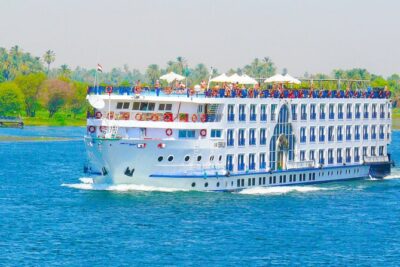
4-Days Nile Cruise From Aswan To Luxor including Abu Simbel and Hot Air Balloon
Read our review →
4-Day 3-Night Nile Cruise from Aswan to Luxor&Abu Simbel+Balloon
Read our review →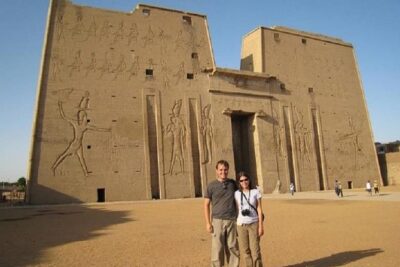
4-Day 3-Night Nile Cruise from Aswan to Luxor including Abu Simbel, Air Balloon
Read our review →
4-Days Nile Cruise From Aswan To Luxor including Abu Simbel and Hot Air Balloon
Read our review →4 Days Nile Cruise from Aswan to Luxor including Abu Simbel and Hot Air Balloon
Read our review →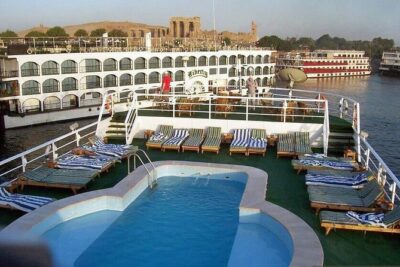
4-Day 3-Night Nile Cruise from Aswan to Luxor With Balloon and Abu Simbel
Read our review →