
Review · ASWAN
(3-Nights Cruise From Aswan To Luxor & Balloon, Abu Simbel)
The biggest draw here is the hot-air balloon ride over Luxor, paired with a three-night Nile cruise and a long, memorable run of ancient sites. You begin in Aswan with Philae and the High Dam, travel south to Abu Simbel, then move north through Kom Ombo and Edfu before finishing among Luxor’s royal tombs and temples.
I like the ease of having hotel or port pickup, meals, a cabin, air-conditioned transport, and an Egyptologist guide arranged together. I also like the private touring setup, especially for a solo traveler or small group. Mohamed Rushwan in Luxor is noted for keeping arrangements smooth and adapting to personal preferences.
The main caution is that entrance fees are not included, and the early starts are serious. Abu Simbel takes much of Day 2, Edfu begins around 5 a.m., and the balloon ride calls for a 4:30 a.m. start. Confirm your cabin, sailing date, and all inclusions before paying, since cruise availability can change.
Key points to know before you book
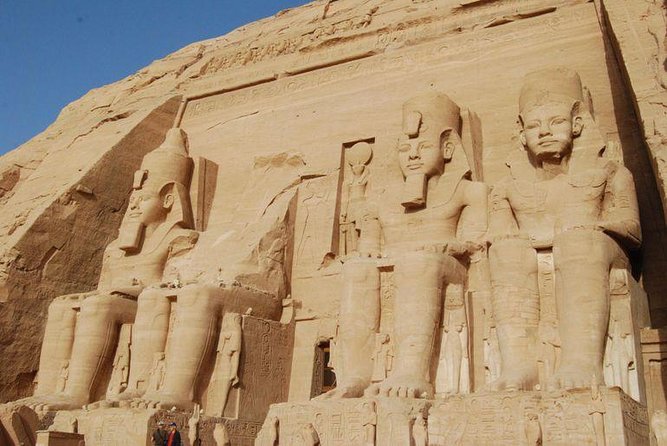
- Abu Simbel is a seven-hour visit: The temples are far south of Aswan, but their colossal statues and relocated setting make the long day worthwhile.
- The balloon flight starts around 4:30 a.m.: You need to be comfortable with an early wake-up and weather-related changes.
- Your $349 price covers the core package: Three cruise nights, meals, transport, guide service, and the balloon are included, while most entrance fees are extra.
- Philae requires a motorboat: Bring cash for the boat and the High Dam, since those payments are specifically required in cash.
- The final day is packed: Valley of the Kings, Hatshepsut, the Colossi of Memnon, Karnak, and Luxor Temple fill the day before a Luxor arrival around 4 to 5 p.m.
- The tour is private on land: Only your group takes part in the private tour, though the cruise itself is a shared ship experience.
Why this Nile trip works so well
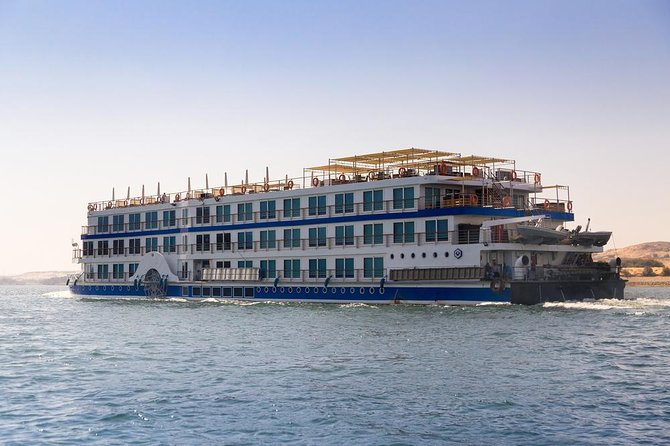
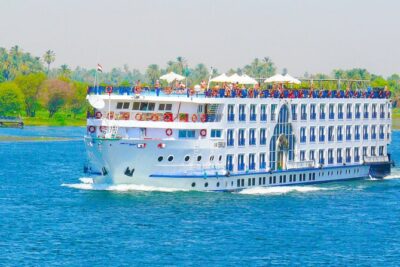
A Nile cruise is a practical way to connect Aswan and Luxor without repeatedly packing and unpacking. You wake near one ancient site, visit it with a guide, then return to the ship for meals and the next stretch of river.
At $349 per person, the package offers a lot for four days. You receive three nights aboard the ship, breakfast, lunch, and dinner each day, hotel or port transfers, an air-conditioned vehicle, a qualified Egyptology guide, horse and carriage service, and the balloon flight. The catch is that admission tickets are extra, so your final cost will be higher.
I see the strongest value in the combination of transport and guidance. Ancient Egyptian sites make more sense when someone explains the gods, rulers, building phases, and symbols. You can certainly visit many of these places independently, but coordinating Aswan, Abu Simbel, a moving cruise, Edfu, and Luxor transport is harder.
This is also useful if you are arriving in Aswan early. Cruise check-in is at noon, so the first sightseeing stops can begin on arrival rather than wasting the morning. On the final day, the tour ends in Luxor around 4 to 5 p.m., making an evening train, flight, or hotel check-in the sensible choice.
More Abu Simbel and Balloon Tours in Aswan:
- 4-Days Nile Cruise From Aswan To Luxor including Abu Simbel and Hot Air Balloon
★ 5.0 · 3,142 reviews - 4-Day 3-Night Nile Cruise from Aswan to Luxor&Abu Simbel+Balloon
★ 5.0 · 2,023 reviews - 4-Day 3-Night Nile Cruise from Aswan to Luxor including Abu Simbel, Air Balloon
★ 4.5 · 612 reviews
Day 1: Philae by boat and the Aswan High Dam
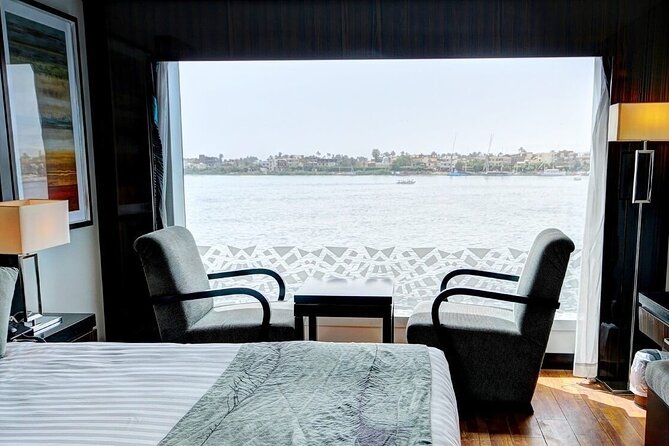
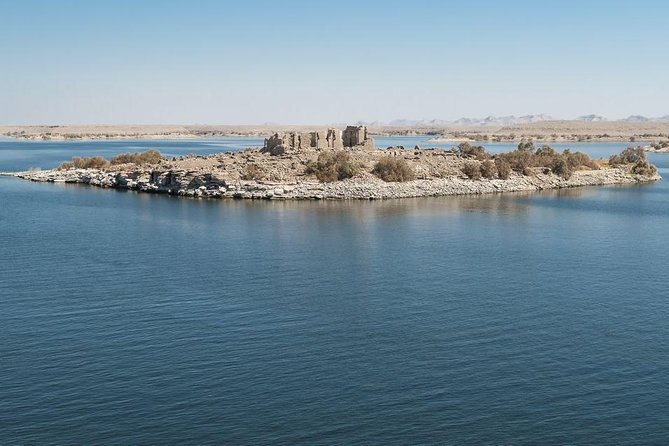
Your first day begins in Aswan, where the trip moves quickly into the city’s two major modern and ancient sights. You take a motorboat across the Nile to Philae Temple, located on an island and reached by water rather than by road.
Philae is one of those places where the approach matters. The boat gives you a proper sense of the island setting before you reach the temple columns and courtyards. The temple is linked with Isis, and its reliefs and stonework are best understood with a guide who can explain the religious meaning rather than simply point out the largest walls.
The motorboat is not included in the same way as the main package items, and the payment must be made in cash. Keep Egyptian currency ready. The admission fee for Philae is also extra, so ask your guide or operator exactly how much money you need before the first stop.
You then visit the Aswan High Dam, built during Gamal Abdel Nasser’s era with Soviet assistance. It controls the Nile’s floodwater and produces electricity, but its construction also changed the river and forced the relocation of important Nubian monuments, including Philae and Abu Simbel.
The dam is less visually ornate than the temples, but it gives useful context. Without it, the modern story of southern Egypt is missing. Allow around 90 minutes here, according to the schedule, and expect an explanatory stop rather than a long historical site visit.
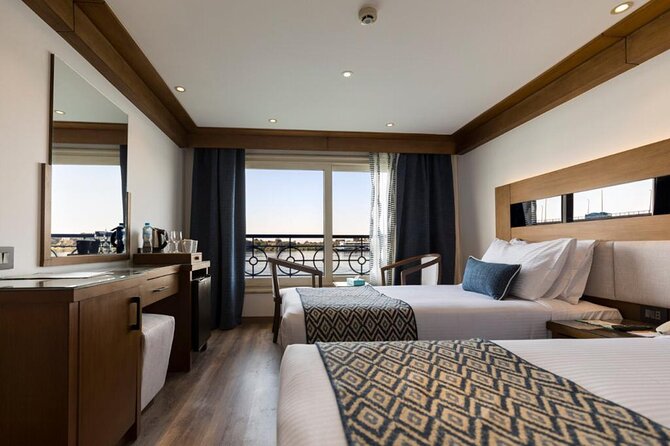
After sightseeing, you check into the cruise ship. The evening offers a chance to visit Aswan’s local market, which is a good way to see daily life beyond the monuments. The first day includes lunch and dinner, with overnight accommodation aboard the ship.
Day 2: The long road to Abu Simbel and the twin gods of Kom Ombo
Abu Simbel is the most demanding stop in terms of time. The visit lasts about seven hours, and the temples are roughly 366 kilometers south of Aswan. That distance matters. You should not book this trip expecting a relaxed morning on the ship.
The reward is one of Egypt’s most powerful monumental scenes: the rock-cut temples of Ramses II, with enormous seated figures guarding the entrance. Construction began around 1244 BC and continued for about 21 years. The complex was designed both as a religious center and as a show of royal power near Egypt’s southern frontier.
Abu Simbel was later buried by sand and eventually abandoned. In modern times, the temples were moved to protect them from the rising waters created by the High Dam. That relocation gives the site an extra layer of meaning, since the modern engineering project you saw on Day 1 is tied directly to the survival of these ancient buildings.
I would treat Abu Simbel as a must-see if you have never visited it. The drawback is simple: it is a long, tiring day, with substantial road time. Bring water, sun protection, and a willingness to spend much of the day away from the ship.
Back on the Nile route, the cruise reaches Kom Ombo. The temple is unusual because it honors two deities in one complex: Sobek, the crocodile god, and Horus the Elder, the falcon-headed god. The layout reflects this double dedication, with paired sanctuaries, entrances, and sacred spaces.
Kom Ombo feels different from Philae and Abu Simbel. It is more symmetrical and easier to grasp as a place divided between two cults. Your guide can help you read the reliefs and understand why local worship gave the temple its unusual plan.
The stop lasts about two hours. Admission is extra, and the site is typically visited as part of the cruise schedule, so you will want to stay aware of the meeting time. The day combines one major out-of-town excursion with a compact temple visit, making it full but varied.
Day 3: Edfu and the temple of Horus
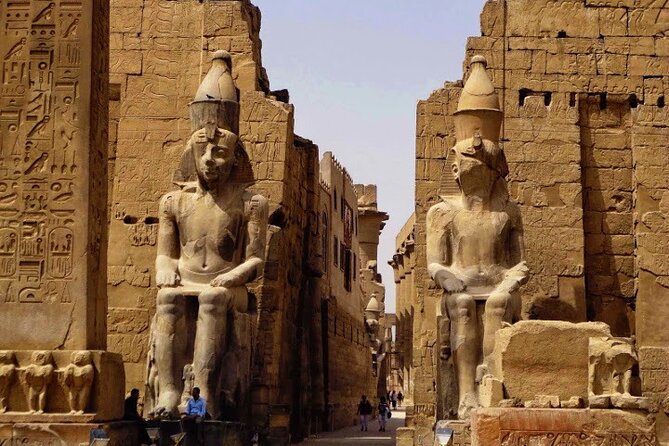
Around 5 a.m., you prepare for Edfu. This is another early start, but the timing helps the visit fit the cruise schedule and gives you a chance to see one of Egypt’s best-preserved temples before the day becomes too hot.
The Temple of Horus was built during the Ptolemaic period and dedicated to the falcon god Horus. Ancient Edfu was an important city in Upper Egypt, and the temple’s substantial pylons, courtyards, columns, and reliefs make it easier to picture how a functioning temple complex once worked.
Horse and carriage service is included for the Edfu visit. That is a practical detail, since the transport connects you with the temple from the ship area. It also adds a local form of travel to a morning that otherwise follows a tightly planned sightseeing pattern.
The temple visit lasts about two hours, but the early departure is not for everyone. If you sleep lightly or struggle with dawn starts, the schedule may feel demanding by this point. You are not just visiting one or two headline monuments. You are following a concentrated ancient Egypt program, and the pace is part of the bargain.
After Edfu, the cruise continues toward Luxor. Meals are included throughout the day, with breakfast, lunch, and dinner aboard the ship according to the package details.
A few more balloon flights around Aswan worth a look
- From Aswan: 3-Day Cruise to Luxor with Hot Air Balloon
★ 4.3 · 598 reviews - 4-Days Nile Cruise From Aswan To Luxor including Abu Simbel and Hot Air Balloon
★ 4.5 · 509 reviews - 4 Days Nile Cruise from Aswan to Luxor including Abu Simbel and Hot Air Balloon
★ 4.5 · 356 reviews - 4-Day 3-Night Nile Cruise from Aswan to Luxor With Balloon and Abu Simbel
★ 5.0 · 327 reviews
Day 4: Balloon views and Luxor’s west bank
The final day begins before sunrise, around 4:30 a.m., for the hot-air balloon flight. This is the tour’s most unusual activity and one of its best visual moments. From above Luxor, you can see the Nile, agricultural land, and the division between the city and the west bank’s ancient burial area.
The flight lasts about an hour. Balloon operations depend on weather and government approval, so the activity can be canceled for safety reasons. If that happens, the stated refund is $25 per adult and $12.50 per child.
There are also rules for photography. A camera is not allowed in the basket, but you can use a cellphone. A child under six cannot take part in the balloon ride. Those details are easy to miss, so families should check ages and equipment before booking.
After the flight, the west-bank sightseeing begins with the Valley of the Kings. The valley was used for royal burials for roughly 500 years, from the 16th through the 11th centuries BC. Most of the famous tombs are in the Eastern Valley.
Entrance fees are extra, and the ticket usually determines which tombs you can enter. Ask your guide what is covered before you arrive, since not every special tomb is necessarily part of the basic admission. The painted burial chambers can be more impressive than the valley from outside, but some passages are narrow and the walk can be strenuous in the heat.
Next comes the Temple of Hatshepsut at Deir el-Bahari. Its three broad terraces rise against the cliffs, giving it a different shape from the enclosed temple compounds seen elsewhere. Hatshepsut ruled during Egypt’s 18th Dynasty, and the temple reflects both religious purpose and royal presentation.
The Colossi of Memnon are a short stop, about 30 minutes. These two huge statues once guarded the entrance to a much larger temple built for Amenhotep III. At about 19 meters tall, they are an easy photo stop and a useful reminder of how much of ancient Thebes has disappeared.
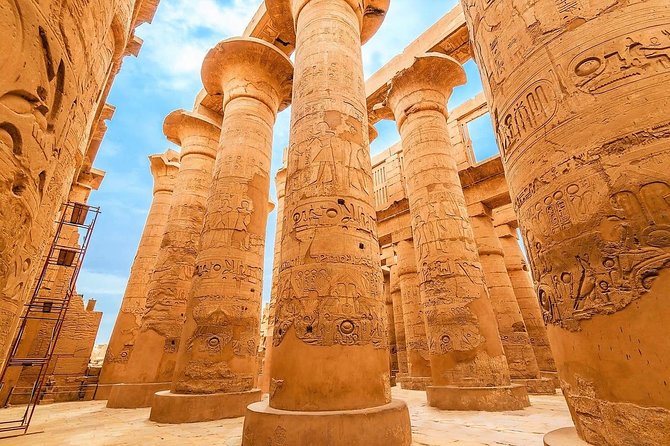
The day then shifts to Luxor’s east bank for Karnak Temple. Plan around 90 minutes here. Karnak is a vast complex connected with Amun, Mut, and Khonsu, the Theban religious family. Its scale can be hard to take in quickly, so stay close to the guide and focus on the major halls, columns, pylons, and sacred areas rather than trying to see every corner.
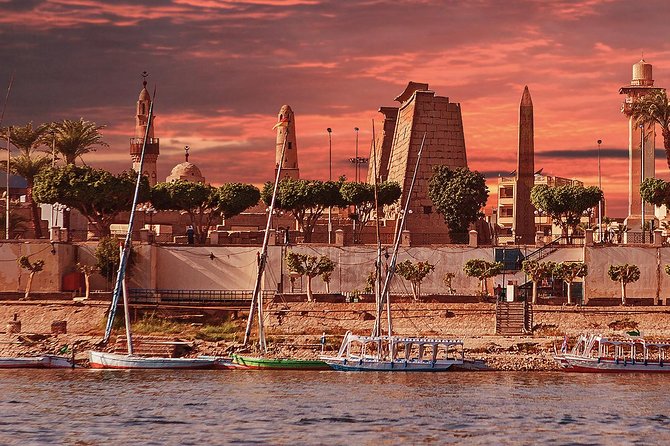
Luxor Temple follows, with about 45 minutes scheduled. Built and expanded by rulers including Amenhotep III and Ramses II, it was dedicated to the Theban gods. Its position in the modern city gives it a different feel from the west-bank monuments, and the shorter visit is enough to see the main court and entrance features.
This is a very full final day. If your departure is from Luxor Airport, the train station, or an east-bank hotel, the operator can arrange drop-off. Since the tour may finish around 4 to 5 p.m., choose an evening departure rather than a tight afternoon connection.
What the private guide adds
The private format is one of the package’s better features. Only your group participates in the private touring portion, so you can ask questions and keep the explanations focused on what interests you.
The supplied arrangements identify Mohamed Rushwan in Luxor as a local operator who works to coordinate the final part of the trip. The Aswan guides are described as professional in their temple explanations. Guide quality can vary, but this setup gives you a named local contact and a guide at the major sites rather than leaving you to interpret everything alone.
You can request other languages for an additional charge. If your group has different interests, tell the operator early. A small private group has more room to ask about Nubian culture, temple symbolism, royal succession, or the engineering behind the High Dam.
Meals, cabins, and the practical fine print
The package includes three breakfasts, three lunches, and three dinners, beginning with lunch on the first day and ending with breakfast on the last. A cabin with standard facilities is included for three nights.
Because accommodation is aboard a moving cruise ship, confirm the cabin arrangement before departure. The terms allow a single room only when you book for one person. A group of three receives a triple room, and a group sharing with parents can include up to two children in one room.
Children from five to 11 who travel with one adult are treated as adults for pricing. Children in that age range sharing with parents follow the stated room rules. The balloon has the separate under-six restriction.
The package also lists air-conditioned vehicle transfers and hotel or port pickup and drop-off. Pickup is especially useful in Aswan, where the first sightseeing begins quickly if you arrive early. Entrance fees remain your responsibility, and all entrance payments must be made by card except the High Dam and Philae motorboat, which require cash.
Who should book this cruise?
I would choose this trip if you want the main Aswan to Luxor sights in one organized package and do not want to manage rail tickets, private cars, temple transfers, and balloon arrangements separately. It suits first-time Egypt visitors who value structure and guide support.
It is also a good match for solo travelers and small groups. The private guide setup gives you personal attention, while the cruise provides a simple base between stops.
I would hesitate if you need slow mornings, flexible sightseeing, or a quiet four-day holiday. Abu Simbel, Edfu, the balloon flight, and the final Luxor circuit all require early starts. You should also budget extra for entrance fees and confirm the exact ship and cabin before committing.
FAQ
How long is the cruise experience?
The experience lasts about four days and includes three nights aboard the Nile cruise, traveling from Aswan to Luxor.
What meals are included?
Breakfast, lunch, and dinner are included for three days. Meals begin with lunch on the first day and end with breakfast on the last day.
Are entrance fees included?
No. Entrance fees for the listed sites are extra. The High Dam and the motorboat to Philae must be paid for in cash, while the other entrance fees must be paid by card.
Is Abu Simbel included?
Yes. Abu Simbel is part of the planned sightseeing and takes about seven hours. If bad weather cancels the trip, the stated refund is $25 per adult and $12.50 per child.
What time does the hot-air balloon ride begin?
The balloon experience begins around 4:30 a.m. and lasts about one hour. It can be canceled because of bad weather, with a stated refund of $25 per adult and $12.50 per child.
Can I bring a camera on the balloon?
A camera is not allowed in the balloon basket. You can use a cellphone to take pictures.
Where does the tour finish?
The tour ends in Luxor around 4 to 5 p.m. Drop-off can be arranged at Luxor Airport, the train station, or hotels on Luxor’s east bank.
Can children take the balloon ride?
Children under six are not allowed on the balloon flight. Children from five to 11 follow the stated adult or family room and pricing rules, depending on how they travel.
Should you book it?
Book this cruise if you want a strong first look at southern Egypt, especially Abu Simbel, Philae, Edfu, and Luxor’s major monuments, with transport and meals handled for you. The balloon ride gives the package something beyond a standard temple circuit.
Before booking, confirm the sailing date, cabin type, guide language, entrance costs, and pickup details in writing. If you can handle the early mornings and extra admission fees, $349 offers solid value for a tightly packed private touring program.
Just added around Aswan
- 4-Days Nile Cruise From Aswan To Luxor Abu Simbel and Air Balloon★ 4.5 · 2 reviews
- 4-Day Nile Cruise: Aswan to Luxor & Abu Simbel + Hot Air Balloon★ 4.5 · 35 reviews
- 8 Nights Egypt Tour,Cairo,Luxor,Aswan&Abu Simbel,Nile Cruise,Hot Air Balloon★ 4.5 · 11 reviews
- 3-Nights Cruise From Aswan To Luxor, Hot Air Balloon,Abu Simbel★ 4.5 · 46 reviews
- 4 Days Nile Cruise &Hot Air Balloon on M/S Movenpick Royal Lilly★ 5.0 · 4 reviews
- (Wonderful 3-Nights Nile Cruise from Aswan to Luxor & Balloon)★ 4.5 · 17 reviews
- Luxor: 4-Night Nile cruise , Hot Air balloon , west bank , abu simbel★ 5.0 · 3 reviews
- Amazing 2 Nights Cruise From Aswan to Luxor including Tours and Hot Air Balloon★ 5.0 · 5 reviews
Aswan Hot Air Balloon Rides, compared.
4-Days Nile Cruise From Aswan To Luxor including Abu Simbel and Hot Air Balloon
Read our review →
4-Day 3-Night Nile Cruise from Aswan to Luxor&Abu Simbel+Balloon
Read our review →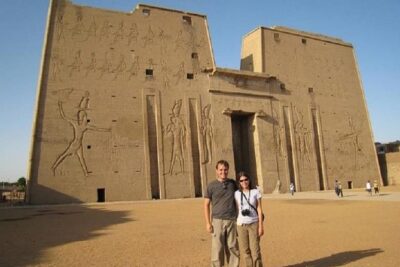
4-Day 3-Night Nile Cruise from Aswan to Luxor including Abu Simbel, Air Balloon
Read our review →
4-Days Nile Cruise From Aswan To Luxor including Abu Simbel and Hot Air Balloon
Read our review →4 Days Nile Cruise from Aswan to Luxor including Abu Simbel and Hot Air Balloon
Read our review →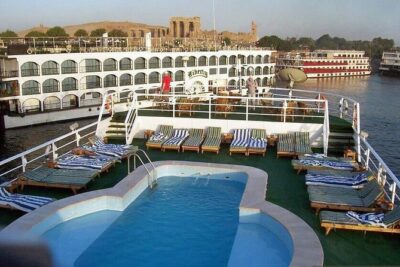
4-Day 3-Night Nile Cruise from Aswan to Luxor With Balloon and Abu Simbel
Read our review →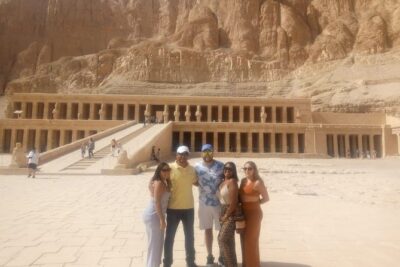
4-Days Nile Cruise Aswan&Luxor,Hot Air Balloon&Abu Simbel.Hot deal
Read our review →Browse the lists this tour appears in